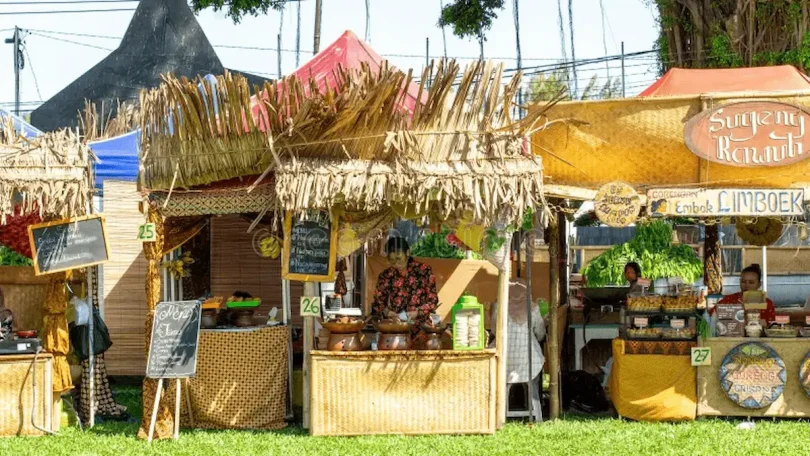

When it comes to experiencing Indonesia, nothing captures the essence of its culture better than its food — especially when it’s served fresh from a traditional Indonesian food stall. These small, often family-run eateries are more than just places to eat. They’re a symbol of community, tradition, and the nation’s deep love for flavorful, affordable food.
From the sizzle of skewers on charcoal grills to the comforting aroma of fried rice cooked in a wok, every corner of Indonesia bursts with culinary magic. Let’s take a journey into the world of traditional food stalls — where taste, history, and hospitality come together in every bite.
1. What Are Traditional Indonesian Food Stalls?
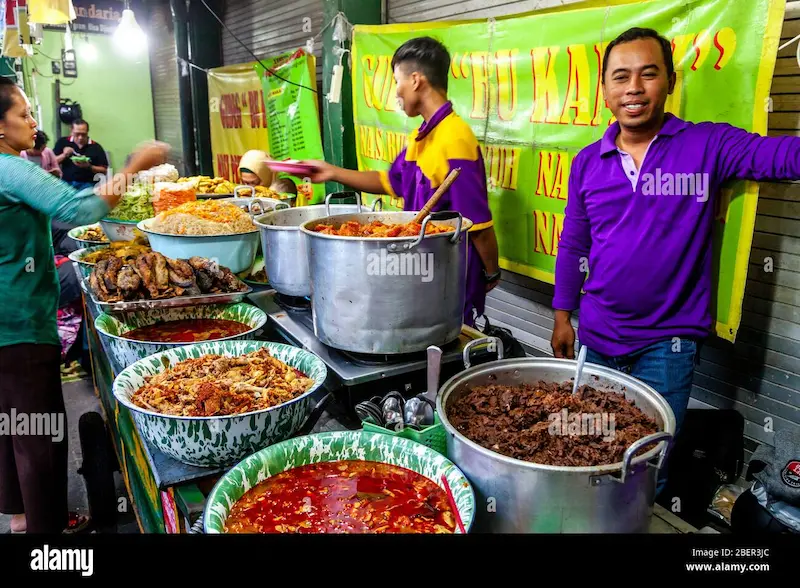
Traditional food stalls, locally known as “warungs” or “kaki lima”, are small roadside setups that serve freshly cooked meals at incredibly low prices. They can be found in cities, small towns, and even rural villages. These stalls are the beating heart of Indonesia’s food culture.
- Warung: Usually a semi-permanent structure, often attached to a family home or small shop. Warungs serve home-style meals like rice, soups, and curries.
- Kaki Lima: Literally means “five legs,” referring to the three legs of a food cart and the two legs of the vendor. These are mobile stalls that move from place to place, selling snacks and quick meals.
Most of these stalls specialize in one or two dishes that they’ve perfected over years, sometimes generations. The ingredients are locally sourced, the cooking is done on the spot, and the prices are incredibly friendly — perfect for anyone looking for cheap and tasty Indonesian food.
2. The Charm and Culture of Indonesian Food Stalls
Traditional food stalls are more than a place to grab a bite — they’re a social experience. Locals stop by to eat, chat, and relax, creating a warm and welcoming atmosphere that makes you feel like part of the community.
The stalls themselves are simple — a wooden cart, a small bench, and sometimes a canopy for shade. But the simplicity adds to the charm. You’ll often see a line of customers waiting patiently, drawn by the delicious aroma and sizzling sounds of food being cooked right in front of them.
In Indonesia, food is meant to be shared. That’s why warungs and kaki lima have such an important place in daily life — they bring people together, regardless of background or budget.
3. Popular Dishes Served at Traditional Indonesian Food Stalls
Here’s a closer look at some of the most beloved dishes you can find at these stalls:
a. Nasi Goreng (Fried Rice)
Nasi Goreng is Indonesia’s national dish and a favorite among locals and tourists alike. It’s made with rice stir-fried in soy sauce, garlic, shallots, chili, and often topped with a fried egg. You can choose from variations that include chicken, shrimp, or vegetables. It’s quick, filling, and costs under 20,000 IDR — making it one of the most affordable yet delicious meals you’ll ever have.
b. Bakso (Meatball Soup)
Bakso is a comforting bowl of savory broth with meatballs made from beef or chicken. Served with noodles, tofu, and vegetables, it’s a popular street food that’s both warm and satisfying. Many stalls also offer spicy sambal for extra heat.
c. Mie Ayam (Chicken Noodles)
A bowl of Mie Ayam features soft yellow noodles topped with seasoned chicken, green vegetables, and a drizzle of soy sauce. Often, you’ll get a small bowl of broth on the side. It’s simple, flavorful, and beloved for its homey taste.
d. Sate (Satay)
Sate is one of the most iconic foods you’ll find at traditional stalls. It consists of skewered meat (usually chicken, beef, or goat) grilled over charcoal and served with rich peanut sauce. The smoky aroma and sweet-spicy sauce make it an unforgettable experience.
e. Gado-Gado (Vegetable Salad with Peanut Sauce)
For those who prefer something light and vegetarian-friendly, Gado-Gado is perfect. It’s a salad made of boiled vegetables, tofu, tempeh, and eggs, topped with creamy peanut sauce. Healthy, affordable, and full of flavor — a true gem of Indonesian street food.
f. Nasi Campur (Mixed Rice)
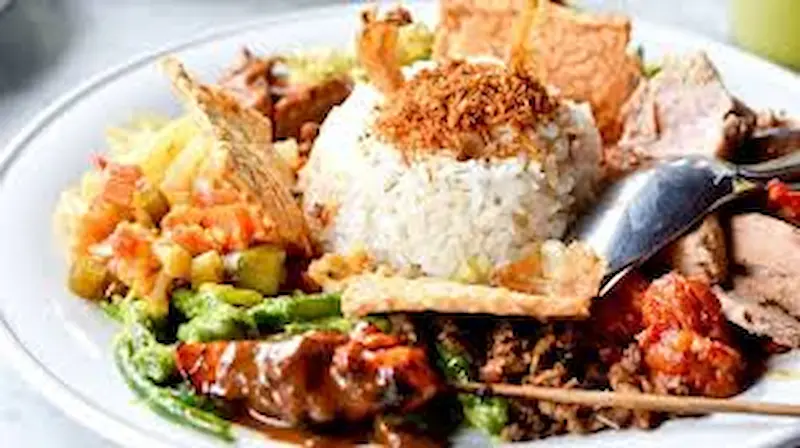
This dish is like a mini buffet on one plate. Nasi Campur includes steamed rice served with small portions of different side dishes such as fried chicken, eggs, tempeh, sambal, and sautéed vegetables. It’s ideal for anyone who wants to taste a variety of Indonesian flavors in one meal.
g. Martabak (Stuffed Pancake)
Martabak comes in two irresistible versions: Martabak Manis (sweet pancake filled with chocolate, peanuts, or cheese) and Martabak Telur (savory stuffed pancake with eggs, meat, and onions). Both are cooked fresh and sold mainly in the evenings.
You may also like it:
Traditional Coconut Desserts of Indonesia – A Complete Guide
Herbal Beverages from Indonesia – Traditional Healing Drinks
Cheap and Tasty Indonesian Food You Must Try
Easy Traditional Indonesian Dishes at Home
4. Why Locals Love Traditional Indonesian Food Stalls
There’s something truly special about eating at a warung or kaki lima. Here’s why these food stalls are so loved across Indonesia:
- Authenticity: The recipes have been passed down through generations, keeping the traditional flavors alive.
- Affordability: Meals are incredibly cheap — often under 25,000 IDR ($1–$2).
- Freshness: Food is made to order using fresh, local ingredients.
- Convenience: They’re everywhere — near schools, markets, offices, and beaches.
- Community Connection: People come not just to eat but to socialize and unwind.
These stalls represent the true spirit of Indonesia — warm, welcoming, and always full of flavor.
5. Famous Cities and Streets for Traditional Food Stalls
If you’re traveling across Indonesia, here are some must-visit spots to find the best local food stalls:
- Jakarta: Jalan Sabang and Kota Tua are famous for a wide range of warungs and night food carts.
- Yogyakarta: Head to Jalan Malioboro for endless stalls selling Bakso, Sate, and Gudeg (jackfruit stew).
- Bali: Sanur and Gianyar Night Market offer a mix of local favorites and international treats.
- Surabaya: G-Walk and Pasar Atom are known for their lively food scenes.
- Bandung: Try Jalan Braga and Cibadak Street for authentic Sundanese dishes and desserts.
Each region adds its own twist to traditional dishes, giving you a taste of Indonesia’s incredible culinary diversity.
6. Tips for Enjoying Food at Traditional Stalls
If it’s your first time eating at a traditional Indonesian food stall, here are a few tips to make your experience even better:
- Follow the locals – Crowded stalls usually mean the food is good and fresh.
- Watch the cooking – Most vendors cook right in front of you, so you can see how your meal is made.
- Go easy on the spice – If you’re not used to chili, ask for “tidak pedas” (not spicy).
- Carry small cash – Most stalls don’t accept cards, so having change helps.
- Try something new – Every stall has its own specialty — don’t hesitate to explore!
7. The Role of Food Stalls in Indonesian Culture
Beyond food, these stalls play a vital role in Indonesia’s social and economic life. They provide affordable meals for millions of people daily and support small business owners and families. For many Indonesians, eating at a warung isn’t just about convenience — it’s about preserving tradition and community spirit.
Food stalls are where stories are shared, friendships are built, and the love for authentic, home-cooked food continues to thrive.
Conclusion
Traditional Indonesian food stalls are a reflection of the country’s heart and soul. They bring together affordability, authenticity, and community — all served with a generous helping of spice and warmth. Whether you’re enjoying a plate of Nasi Goreng, slurping Bakso, or biting into a hot Martabak, every dish tells a story of Indonesia’s rich culinary heritage.
So, next time you’re in Indonesia, skip the fancy restaurants and head straight to the nearest warung or kaki lima. That’s where you’ll find the real flavors, the real people, and the real Indonesia — one delicious bite at a time.
FAQs
Q1. What are traditional Indonesian food stalls called?
A1: Traditional Indonesian food stalls are commonly known as “warung” or “kaki lima.” A warung is a small, family-run eatery that serves home-cooked meals, while kaki lima refers to mobile street food carts that sell snacks and quick dishes.
Q2. What kind of food is sold at traditional Indonesian food stalls?
A2: These stalls sell a wide range of authentic Indonesian dishes, including Nasi Goreng (fried rice), Bakso (meatball soup), Mie Goreng (fried noodles), Sate (grilled meat skewers), Gado-Gado (vegetable salad with peanut sauce), and Martabak (stuffed pancake).
Q3. Are traditional Indonesian food stalls affordable?
A3: Yes, they are extremely affordable! Most meals at warungs or kaki lima cost between 10,000 and 25,000 IDR (less than $2), making them ideal for travelers, students, and locals looking for delicious food on a budget.
Q4. Is it safe to eat at street food stalls in Indonesia?
A4: Generally, yes. Choose stalls that are busy and popular with locals, as high turnover means the food is fresh. Also, watch how the food is prepared — most vendors cook right in front of you, ensuring quality and cleanliness.
Q5. What time are traditional food stalls usually open?
A5: Most traditional food stalls open in the late afternoon and operate until midnight, though many warungs serve breakfast and lunch as well. Night markets, especially in cities like Yogyakarta and Bali, are best for evening street food adventures.