
Indonesia is a land rich in culture, tradition, and, of course, flavor. Its desserts — locally known as kue — are vibrant, aromatic, and full of character. From colorful layered cakes to chewy rice treats, popular Indonesian cakes and sweets reflect the country’s love for coconut, palm sugar, and tropical ingredients.
Whether enjoyed at family gatherings, markets, or festive celebrations, these delicacies bring warmth and joy to every occasion. Let’s dive into some of the most beloved Indonesian cakes and sweets that you simply must try!
1. Kue Lapis (Layer Cake)
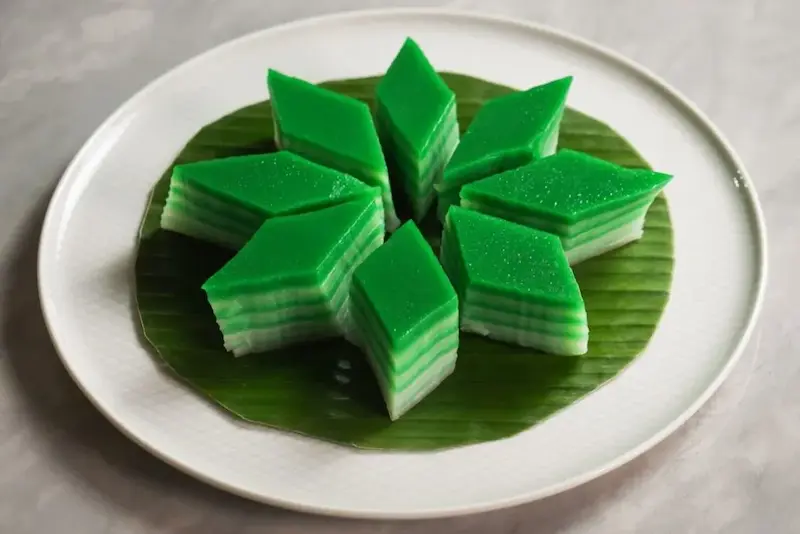
Kue Lapis is one of Indonesia’s most iconic sweets. Its name means “layer cake,” and it’s easy to see why — the dessert is made up of colorful steamed layers that peel apart beautifully.
Flavor and texture: Soft, chewy, and slightly sweet.
Key ingredients: Rice flour, tapioca flour, coconut milk, sugar, and food coloring.
Each layer is steamed before the next is added, creating a stunning rainbow effect. It’s a favorite among children and adults alike, especially during festive occasions.
2. Kue Putu (Steamed Rice Cake with Palm Sugar)
Kue Putu is a traditional street snack you’ll often hear before you see — vendors use steam whistles that fill the air with a nostalgic sound. The cake itself is made from rice flour filled with palm sugar, then steamed inside bamboo tubes and topped with grated coconut.
Taste: Soft and warm with a burst of melted palm sugar inside.
Best served: Freshly steamed in the evening with tea or coffee.
3. Dadar Gulung (Coconut Pancake Rolls)
This elegant green pancake roll is made from pandan-flavored batter and filled with sweetened grated coconut cooked in palm sugar.
What makes it special: The fragrant pandan aroma and the perfectly balanced sweetness.
Dadar Gulung is a must-have at traditional ceremonies and also a favorite in Indonesian snack boxes.
4. Klepon (Sweet Rice Balls with Palm Sugar)
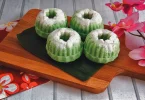
Klepon is one of the most loved Indonesian sweets. These glutinous rice balls are filled with liquid palm sugar and coated in grated coconut. When you bite into one, the sweet syrup bursts out — it’s a true delight!
Ingredients: Glutinous rice flour, pandan juice, palm sugar, and grated coconut.
Texture: Soft, chewy, and juicy on the inside.
5. Kue Cubit (Mini Pancakes)
Kue Cubit, which translates to “pinch cake,” is a small, fluffy treat similar to mini pancakes. You’ll find it sold at street stalls and school canteens.
Popular toppings: Chocolate sprinkles, cheese, or crushed Oreo.
Kids love them half-cooked (slightly gooey in the center), making them even more indulgent.
6. Kue Lumpur (Mud Cake)
Kue Lumpur is a soft, creamy cake made from mashed potatoes, coconut milk, and vanilla. It has a custard-like texture and a mild sweetness.
Fun fact: The name “lumpur” means mud, referring to its smooth, moist texture.
It’s usually topped with raisins or slices of young coconut for a fragrant finish.
You may also like it:
Traditional Coconut Desserts of Indonesia – A Complete Guide
Herbal Beverages from Indonesia – Traditional Healing Drinks
Cheap and Tasty Indonesian Food You Must Try
Easy Traditional Indonesian Dishes at Home
7. Kue Serabi (Indonesian Pancake)
Kue Serabi is a traditional pancake that’s crispy on the edges and soft in the center. It’s made with rice flour and coconut milk, often flavored with pandan or banana.
Variations: Some are served with palm sugar syrup, while others come with savory toppings like cheese or chocolate.
It’s especially popular in Java and Bali, where each region adds its own twist.
8. Getuk (Cassava Sweet Cake)
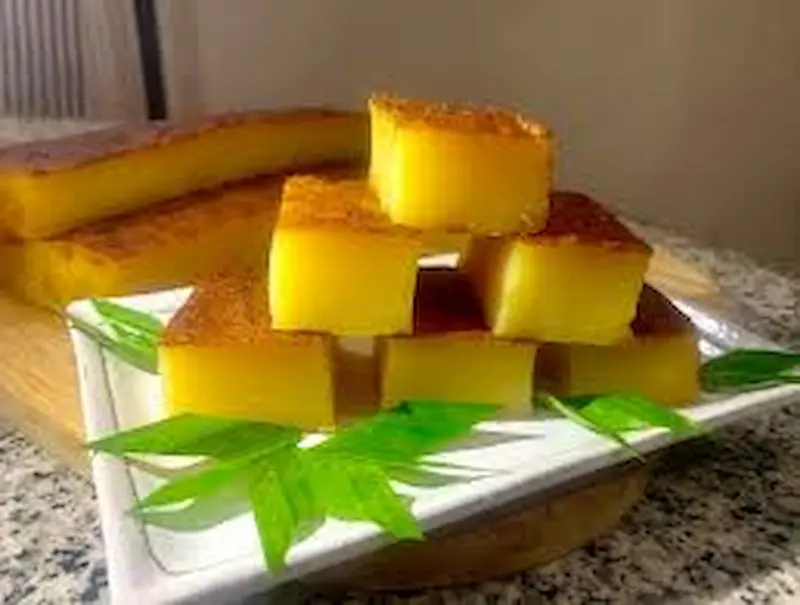
Getuk is a humble yet delicious cake made from boiled cassava mashed with sugar and shaped into colorful slices. It’s topped with grated coconut for extra texture.
Why it’s special: Simple ingredients, comforting taste, and beautiful presentation.
Getuk is proof that traditional desserts don’t need to be complicated to be delicious.
9. Bika Ambon (Honeycomb Cake)
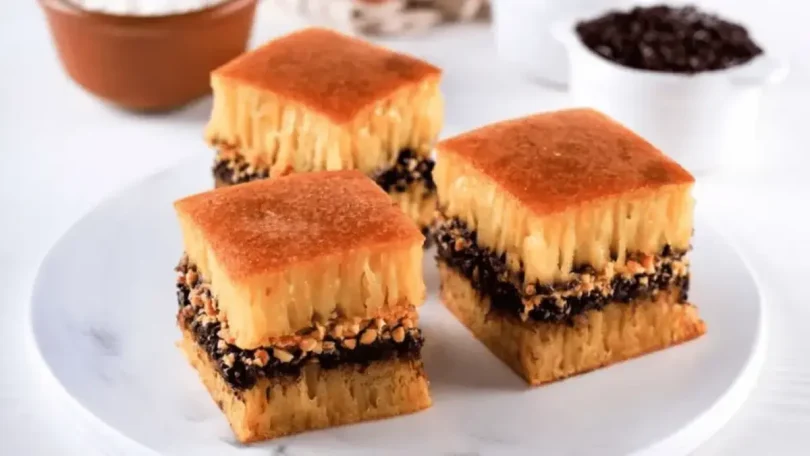
Bika Ambon stands out for its unique texture — spongy with a honeycomb-like pattern. It’s made using tapioca flour, eggs, coconut milk, and yeast.
Flavor profile: Sweet, buttery, and slightly caramelized.
Originally from Medan, Sumatra, this cake has become famous across Indonesia and abroad for its rich flavor and texture.
10. Kue Nastar (Pineapple Tart Cookies)
While often associated with festive celebrations like Eid and Christmas, Kue Nastar is a household favorite year-round. These buttery cookies are filled with homemade pineapple jam that melts in your mouth.
Texture: Soft, crumbly, and perfectly balanced between sweet and tangy.
They symbolize togetherness and celebration — you’ll find them on almost every Indonesian holiday table.
11. Onde-Onde (Sesame Balls)
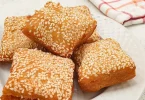
Onde-Onde is a sesame-coated ball made from glutinous rice flour and filled with sweet mung bean paste. Deep-fried to golden perfection, it’s crispy outside and soft inside.
Inspiration: Similar to Chinese sesame balls but with a local Indonesian touch.
Flavor: Nutty, sweet, and satisfying.
12. Kue Lumpur Kentang (Potato Coconut Cake)
Another delicious variation of Kue Lumpur, this version includes mashed potatoes blended with coconut milk, sugar, and flour. The result is a soft, custard-like cake that’s slightly chewy and aromatic.
Topping options: Raisins or young coconut slices.
It’s often served warm as a comfort dessert.
13. Es Teler (Sweet Fruit Cocktail Dessert)
Though not a cake, Es Teler deserves a mention as a popular Indonesian sweet. This cold dessert combines coconut, jackfruit, avocado, and condensed milk served over crushed ice.
Perfect for: Hot days when you want something sweet and refreshing.
The balance of creamy, fruity, and icy textures makes it irresistible.
14. Lapis Legit (Thousand Layer Cake)
Known as “Spekkoek” during Dutch colonial times, Lapis Legit is an Indonesian layered spice cake that takes patience and skill to make. Each thin layer is baked individually to create a rich, buttery masterpiece.
Flavor: Sweet, spiced with cinnamon and nutmeg, and incredibly fragrant.
It’s often served during festive occasions and special celebrations.
15. Wajik (Sticky Rice Cake with Palm Sugar)
Wajik is a traditional sweet made from sticky rice cooked in coconut milk and palm sugar. It’s chewy, aromatic, and has a beautiful golden-brown color.
Symbolism: Often served during traditional ceremonies as a symbol of togetherness and gratitude.
Conclusion
From colorful layered cakes to melt-in-your-mouth sweets, Indonesian cakes and desserts are a true celebration of local flavors and creativity. What makes them special is their simplicity — most use ingredients found in nature, such as coconut, pandan, and palm sugar. These desserts are not just treats; they’re part of Indonesia’s heritage, connecting generations through taste and tradition.
Whether you’re savoring a warm Kue Putu on the street or enjoying a slice of Bika Ambon at home, every bite tells a story of culture, comfort, and love.
FAQs: Popular Indonesian Cakes and Sweets
1. What are the most famous Indonesian cakes?
Some of the most famous Indonesian cakes include Kue Lapis (layer cake), Lapis Legit (thousand layer spice cake), Bika Ambon (honeycomb cake), and Kue Lumpur (mud cake). These are loved for their soft textures, rich flavors, and use of natural ingredients like coconut and pandan.
2. Are Indonesian sweets very sugary?
Not usually. Indonesian sweets tend to use palm sugar, which has a mild, caramel-like sweetness rather than refined sugar. The balance of coconut milk and pandan gives them a naturally rich flavor without being overly sweet.
3. What ingredients are commonly used in Indonesian cakes and desserts?
The key ingredients are rice flour, glutinous rice, coconut milk, palm sugar, tapioca flour, pandan leaves, and tropical fruits like bananas and jackfruit. These give Indonesian desserts their distinctive taste and texture.
4. Are Indonesian desserts gluten-free?
Yes, many Indonesian desserts are naturally gluten-free since they use rice flour or tapioca flour instead of wheat. Examples include Klepon, Kue Lapis, and Getuk.
5. Which Indonesian dessert is best for beginners to try?
If you’re new to Indonesian sweets, start with Klepon (sweet rice balls) or Dadar Gulung (coconut pancakes). Both are simple to make, delicious, and a great introduction to Indonesia’s dessert culture.