
When it comes to celebrations, Indonesians know how to make every occasion special — and desserts play a big part in that joy. From religious holidays like Eid and Christmas to weddings and traditional ceremonies, sweet treats are always on the table.
What makes homemade Indonesian festive desserts so special is their rich taste, natural ingredients, and the love that goes into preparing them. These desserts often blend coconut, palm sugar, pandan, and rice flour — ingredients found in every Indonesian kitchen. Let’s explore some of the most popular festive desserts you can easily make at home!
1. Lapis Legit (Thousand Layer Cake)
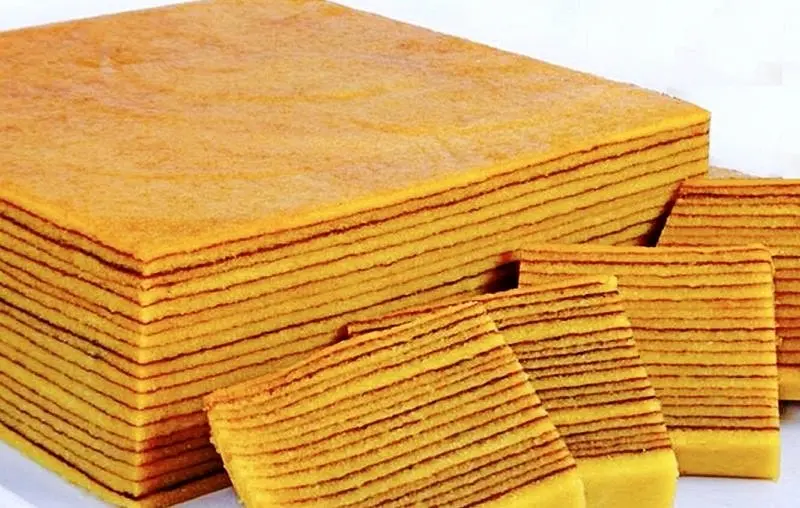
Lapis Legit, also known as the thousand-layer cake, is one of Indonesia’s most luxurious desserts. It’s a symbol of patience and celebration, often made during festive occasions like Eid or Christmas.
Ingredients: Butter, eggs, sugar, flour, and spices like cinnamon and nutmeg.
Taste and texture: Rich, buttery, and aromatic with a soft layered texture.
Each layer is baked individually, giving it a beautiful pattern and deep flavor. It’s a true masterpiece for festive gatherings.
2. Kue Nastar (Pineapple Tart Cookies)
Kue Nastar is a must-have during Eid, Christmas, and New Year celebrations in Indonesia. These buttery cookies are filled with tangy-sweet pineapple jam that melts in your mouth.
Ingredients: Flour, butter, egg yolks, and homemade pineapple jam.
Flavor: Buttery and crumbly with a tropical fruit sweetness.
They’re often shaped into small balls or flowers, symbolizing joy and togetherness.
3. Kue Lapis (Steamed Layer Cake)
This colorful layered cake is a favorite during family celebrations. Each layer represents happiness and unity.
Ingredients: Rice flour, tapioca flour, coconut milk, sugar, and food coloring.
How to make: Steam each layer one by one, creating a beautiful rainbow effect.
Texture: Soft, chewy, and slightly sweet — a treat that both kids and adults love.
4. Klepon (Sweet Rice Balls)
Klepon is a traditional sweet made from glutinous rice flour filled with palm sugar and coated in grated coconut. It’s often served during birthdays, weddings, and festive holidays.
Ingredients: Glutinous rice flour, palm sugar, pandan juice, and coconut.
Taste: Sweet, chewy, and aromatic.
When you bite into it, the warm liquid palm sugar bursts inside your mouth — pure bliss!
5. Kue Putri Salju (Snow Princess Cookies)
These snow-white cookies are another festive favorite, especially during Christmas. They’re named “Putri Salju” (Snow Princess) because they’re dusted with powdered sugar that looks like snow.
Ingredients: Butter, flour, ground cashews or almonds, and powdered sugar.
Texture: Soft, crumbly, and melt-in-your-mouth.
They’re perfect for serving guests or gifting during holidays.
6. Dadar Gulung (Coconut Pancake Rolls)
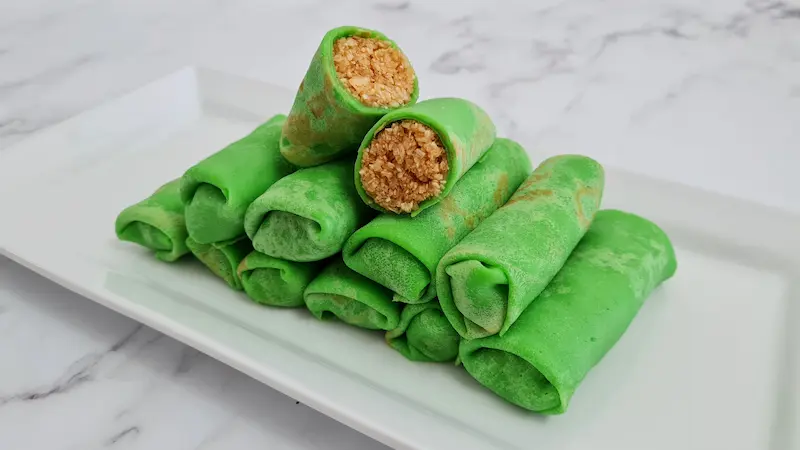
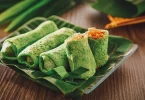
Dadar Gulung is a green pandan-flavored pancake filled with caramelized grated coconut. It’s elegant, fragrant, and easy to make, often served at festive family gatherings.
Ingredients: Flour, coconut milk, pandan juice, grated coconut, and palm sugar.
Taste: A balance of sweet coconut and delicate pandan aroma.
It’s a symbol of harmony — the green wrapper (nature) embracing the brown filling (earth).
You may also like it:
Traditional Coconut Desserts of Indonesia – A Complete Guide
Herbal Beverages from Indonesia – Traditional Healing Drinks
Cheap and Tasty Indonesian Food You Must Try
Easy Traditional Indonesian Dishes at Home
7. Bika Ambon (Honeycomb Cake)
Bika Ambon is a spongy golden cake with a unique honeycomb texture. It’s a traditional dessert that’s both festive and comforting.
Ingredients: Tapioca flour, eggs, coconut milk, yeast, and sugar.
Flavor: Sweet, buttery, and slightly caramelized.
It’s commonly served during special occasions or gifted to loved ones as a sign of good fortune.
8. Es Teler (Indonesian Fruit Cocktail)
Es Teler is a cold, refreshing dessert drink enjoyed during festive meals or family gatherings. It’s filled with tropical fruits like avocado, jackfruit, and coconut, served with condensed milk and crushed ice.
Ingredients: Avocado, coconut, jackfruit, condensed milk, and ice.
Taste: Creamy, fruity, and refreshing.
It’s the perfect dessert to cool down after a big festive meal.
9. Kue Lumpur (Potato Coconut Cake)
Kue Lumpur is a smooth, custard-like cake made from mashed potatoes, coconut milk, and sugar. It’s often topped with raisins or coconut slices and served during celebrations.
Ingredients: Mashed potatoes, coconut milk, sugar, flour, and eggs.
Texture: Soft, moist, and lightly sweetened.
This dessert is simple yet elegant — a must-have for family events.
10. Kolak Pisang (Banana and Sweet Potato in Coconut Milk)
Kolak Pisang is a comforting dessert served during Ramadan and other festive times. It’s made from bananas, sweet potatoes, and palm sugar simmered in coconut milk.
Ingredients: Bananas, sweet potatoes, coconut milk, palm sugar, and pandan leaves.
Taste: Creamy, rich, and soothing.
It’s often enjoyed warm for breaking the fast during Ramadan or as a sweet ending to a family meal.
11. Wajik (Sticky Rice Cake with Palm Sugar)
Wajik is a classic Javanese dessert made from glutinous rice cooked in palm sugar and coconut milk. It’s often wrapped in banana leaves and served during traditional ceremonies.
Flavor: Sweet, chewy, and aromatic.
Symbolism: It represents togetherness and gratitude — perfect for family gatherings.
12. Kue Lumpur Kentang (Steamed Mud Cake)
This soft and silky dessert is often prepared for festive occasions because it’s easy to make in large batches.
Ingredients: Mashed potatoes, flour, coconut milk, sugar, and eggs.
Taste: Mildly sweet and fragrant, with a melt-in-your-mouth texture.
13. Kue Bolu Kukus (Steamed Sponge Cake)
Kue Bolu Kukus is a fluffy steamed cake often served at birthdays and festive events. It’s colorful and shaped like a blooming flower, symbolizing happiness and prosperity.
Ingredients: Flour, sugar, eggs, and baking powder.
Texture: Soft, spongy, and airy.
The cheerful colors make it especially popular among children.
14. Kue Dadar Coklat (Chocolate Coconut Pancake)
A modern twist on the traditional Dadar Gulung, this version uses chocolate for a richer, more indulgent flavor. It’s becoming a favorite dessert for festive occasions.
Ingredients: Flour, cocoa powder, coconut milk, grated coconut, and sugar.
Taste: Sweet, chocolatey, and perfectly balanced with coconut.
Conclusion
Indonesian festive desserts are more than just sweets — they are a reflection of love, togetherness, and heritage. Whether it’s the luxurious Lapis Legit, the cheerful Kue Bolu Kukus, or the comforting Kolak Pisang, every dessert carries a story passed down through generations. What makes them truly special is that they can easily be made at home with simple ingredients and a touch of care.
So, the next time you want to bring Indonesian warmth to your celebrations, try making one of these homemade Indonesian festive desserts. They’re sure to delight your family, impress your guests, and fill your home with the aroma of joy and tradition.
FAQs About Indonesian Festive Desserts
1. What are the most popular Indonesian desserts during festivals?
Some of the most popular ones include Kue Lapis, Klepon, Dadar Gulung, Kolak, and Bika Ambon.
2. Are Indonesian desserts difficult to make at home?
Not at all! Most desserts are simple to prepare and use everyday ingredients like coconut milk, rice flour, and palm sugar.
3. Do Indonesian desserts contain dairy products?
Generally, no. Most traditional recipes are dairy-free, relying instead on coconut milk for creaminess.
4. Can these desserts be made ahead of time?
Yes. Many desserts like Kue Lapis, Bika Ambon, and Putu Ayu can be stored for 2–3 days in the fridge without losing their flavor.
5. What makes Indonesian desserts unique?
Their use of tropical flavors like pandan, banana, and palm sugar, combined with traditional steaming methods, makes them distinct and naturally delicious.