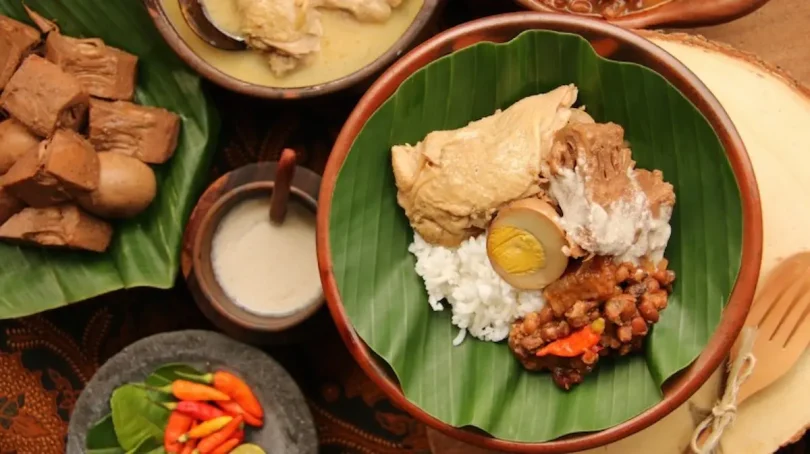


When the sun goes down in Indonesia, the sidewalks come alive. Pushcarts roll into place, charcoal fires are lit, and the air fills with the smell of grilling meat, frying batter, and sweet coconut. Indonesian street food is not just cheap eating; it is the heartbeat of the country’s food culture, where recipes are perfected over decades and a single cart can draw queues of loyal customers every night. Whether you are in Jakarta, Yogyakarta, or Medan, knowing what to order turns a simple walk into a feast.
Satay, Siomay, and Batagor: The Grill and Steam Classics
No introduction to Indonesian street food is complete without satay. Vendors grill skewers of chicken, goat, or rabbit over charcoal, fanning the flames to order, and serve them with peanut sauce, rice cakes, and a squeeze of lime. Close behind are siomay, steamed fish dumplings served with potatoes, cabbage, and tofu under the same beloved peanut sauce, and its fried Bandung cousin batagor. These dishes show the genius of street cooking: a handful of ingredients, cooked to order in minutes, delivering layers of smoky, sweet, and spicy flavour.
Gorengan and Martabak: The Fried Favourites
Every neighbourhood has a gorengan cart piled high with fried snacks: banana fritters, stuffed tofu, tempeh, and vegetable bakwan, all crisped in a wok of bubbling oil and eaten with fresh green chillies. As evening deepens, the martabak stands take over. Martabak manis is a thick, honeycombed pancake loaded with chocolate, cheese, peanuts, or condensed milk, folded and sliced into rich squares, while martabak telur wraps spiced minced meat and egg in a paper-thin crispy skin. Watching a skilled vendor stretch the dough is half the entertainment, and many food lovers film the process to share online. Creators who post these videos should take a moment to learn how creators can protect their content from being copied or leaked, because a viral street food clip is valuable work worth safeguarding.
Paying and Ordering Like a Local
Indonesian street food has quietly gone digital. Many carts now display QR codes for cashless payment, and regulars order ahead through delivery apps before collecting their food. If you are curious about how digital transactions are structured behind the scenes, it helps to understand how deposit options, withdrawals, and fast payouts work in popular apps, since the same e-wallet systems power everything from games to gorengan. For ordering, a little language goes a long way: “pedas” means spicy, “tidak pedas” means not spicy, and “bungkus” means takeaway. Pointing and smiling works too, and vendors are famously patient with curious visitors.
Staying Safe While Eating Adventurously
Street food is generally safe when you follow a few simple rules. Choose stalls with high turnover, where ingredients are fresh and cooked in front of you at high heat. Watch that raw and cooked items are handled separately, and prefer places where the vendor uses tongs rather than bare hands for ready-to-eat food. Drink bottled or refill-station water, and be a little cautious with ice from unknown sources, though most commercial ice tubes are factory-made and safe. Start gently with spice and rich coconut dishes if your stomach is unaccustomed, and build up over a few days.
Regional Specialities Worth Hunting Down
Every city adds its own chapter to the Indonesian street food story. Jakarta is famous for kerak telor, a spiced egg-and-rice pancake cooked in a small wok over charcoal. Yogyakarta’s angkringan carts serve tiny packets of nasi kucing with sambal and fried snacks late into the night at student-friendly prices. In Medan, you will find durian sold at roadside tables for the truly brave, while Surabaya prides itself on rujak cingur, a salad of fruit, vegetables, and buffalo snout in a dark petis sauce. Chasing these local legends is one of the great pleasures of travelling in Indonesia.
Breakfast on the Street: Bubur, Nasi Uduk, and Coffee Carts
Street eating in Indonesia starts early. From around five in the morning, bubur ayam carts serve hot rice porridge topped with shredded chicken, crackers, peanuts, and a drizzle of soy sauce to workers heading out for the day. Nasi uduk sellers dish up coconut rice with fried shallots, omelette, and sambal, while mobile coffee carts, known locally as starling, cycle through office districts carrying flasks of hot water and sachets of instant coffee, tea, and ginger drinks. These humble breakfasts rarely cost more than a bus fare, yet they follow recipes their sellers have repeated thousands of times. For a visitor, joining the morning crowd on small plastic stools, eating shoulder to shoulder with motorbike drivers and office staff, is one of the most authentic starts to a day in Indonesia.
Night Markets and Legendary Food Streets
Many cities organise their street food into famous strips and night markets where dozens of vendors cook side by side. Jakarta’s Jalan Sabang, Yogyakarta’s Malioboro area, and Medan’s Merdeka Walk each have reputations built over decades, and individual stalls become legends in their own right: a satay cart that has grilled in the same spot for forty years, a noodle seller whose queue forms before the wok is lit. These places are also social institutions, where families celebrate paydays, students gather after class, and first dates unfold over shared plates. Arrive hungry, order small portions from several stalls rather than one big meal anywhere, and save room for dessert, because the sweet carts usually park at the far end.
A word about prices and manners will make your market visits smoother. Prices at food stalls are usually fixed and low, so bargaining is neither expected nor necessary; the queue system is informal, and a smile plus a point at what the person in front ordered is a perfectly good strategy. Many vendors will offer you a taste before you commit, especially for snacks and sambals, and accepting graciously is part of the fun. Carry small notes and coins, since change for large bills can be scarce early in the evening, and bring a reusable bag and container if you plan to take food home. Above all, take your time: a night market is entertainment as much as dinner, and rushing through it misses half the point.
Conclusion
Indonesian street food rewards the curious. Follow the smoke, join the longest queue, order what the person beside you is having, and do not skip the fried snacks. With a small handful of cash, a few words of Indonesian, and a healthy appetite, the street becomes the best restaurant in the country.