
Indonesia, known for its rich culture and diverse cuisine, is also home to some of the most delightful and flavorful sweet snacks in the world. From chewy rice cakes to crispy fried bites, these sweets are deeply rooted in Indonesian tradition, often enjoyed during family gatherings, religious festivals, or simply as a treat with afternoon tea.
Most of them are made from simple, natural ingredients like coconut, palm sugar, glutinous rice, pandan leaves, and tropical fruits — ingredients that reflect the country’s tropical essence and love for authentic flavor.
If you have a sweet tooth or just love exploring global desserts, this guide to the best sweet snacks from Indonesia will take you on a delicious journey through the archipelago’s kitchens and street stalls.
1. Klepon (Sweet Rice Balls with Palm Sugar)
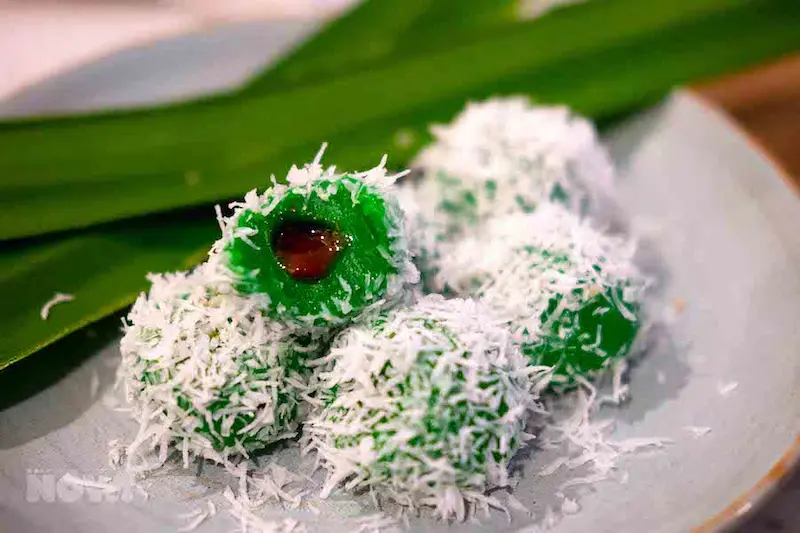
Let’s start with one of the most iconic Indonesian sweets — Klepon. These little green rice balls might look simple, but one bite will reveal a burst of sweet liquid palm sugar hidden inside. Made from glutinous rice flour and flavored with pandan leaves, Klepon has a soft, chewy texture and a fragrant aroma that makes it irresistible. Once boiled, the balls are rolled in freshly grated coconut, adding a slightly salty contrast to the sweetness.
Klepon is often enjoyed in the afternoon with tea or coffee, and it’s a favorite across generations. The fun part of eating Klepon is the surprise — when you bite into it, the palm sugar syrup pops in your mouth!
Ingredients typically include:
- Glutinous rice flour
- Pandan juice or green coloring
- Palm sugar chunks
- Grated coconut
Why it’s loved: It’s a perfect balance of soft, chewy, and sweet, with a burst of melted palm sugar in every bite.
2. Dadar Gulung (Rolled Coconut Pancakes)
Another crowd favorite, Dadar Gulung literally means “rolled pancake.” It’s made from a thin green crepe infused with pandan flavor and filled with caramelized grated coconut and palm sugar. The color green symbolizes nature and freshness, while the aroma of pandan gives it a signature Indonesian scent.
The filling, known as untaian kelapa, is made by slowly cooking shredded coconut with palm sugar until it turns sticky and golden brown. Once the pancake is cooked, the filling is placed inside and rolled tightly. The result? A soft, sweet, and aromatic snack that melts in your mouth.
Dadar Gulung is commonly served at tea time or during traditional gatherings, and it’s also a popular snack in markets across Indonesia.
Why it’s special: It combines the sweetness of coconut with the earthy aroma of pandan — a true reflection of Indonesian flavor harmony.
3. Kue Lapis (Steamed Layer Cake)
Kue Lapis is one of the most visually stunning Indonesian snacks. Made from a mixture of rice flour, tapioca flour, coconut milk, and sugar, this steamed layer cake is known for its rainbow-like appearance. Each layer is steamed individually before the next one is added, creating a soft, slightly chewy texture.
The layers symbolize patience and creativity — as the dessert takes time to prepare, but the result is worth the effort. Traditionally, it’s served during celebrations, weddings, and religious holidays. Kids especially love peeling and eating the layers one by one!
Why it stands out: Its colorful layers and delicate coconut flavor make it both beautiful and delicious.
4. Pisang Goreng (Fried Bananas)
When it comes to street food, Pisang Goreng reigns supreme. These golden, crispy fried bananas are a staple in Indonesian households. Using ripe bananas coated in batter, they’re deep-fried until crispy on the outside and soft inside.
Different regions have their own twist — some add cheese, chocolate, or honey on top, while others drizzle them with palm sugar syrup. Pisang Goreng is best enjoyed hot with a cup of tea or coffee, especially during the rainy season.
Why it’s iconic: It’s a simple yet comforting snack that represents the heart of Indonesian street food culture.
5. Kue Putu (Steamed Rice Cake with Palm Sugar)
Kue Putu is more than just a sweet snack — it’s an experience. Typically sold by street vendors, this snack is steamed inside small bamboo tubes, creating a distinct whistle-like sound that announces the vendor’s arrival.
The cake itself is made from rice flour colored green with pandan and filled with melted palm sugar. After steaming, it’s served with grated coconut. The warm, fluffy texture and rich sweetness make it an unforgettable treat.
Why it’s unique: The traditional bamboo steaming method and its nostalgic sound make Kue Putu a cultural icon.
6. Onde-Onde (Sesame Balls)
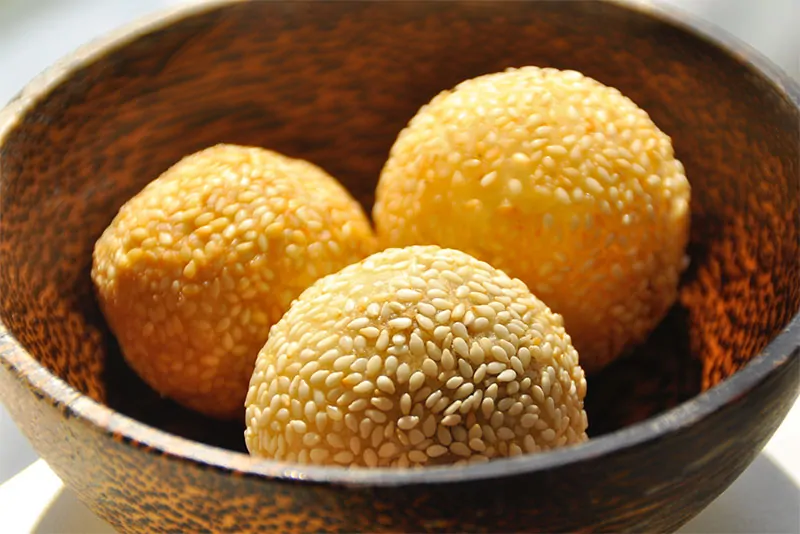
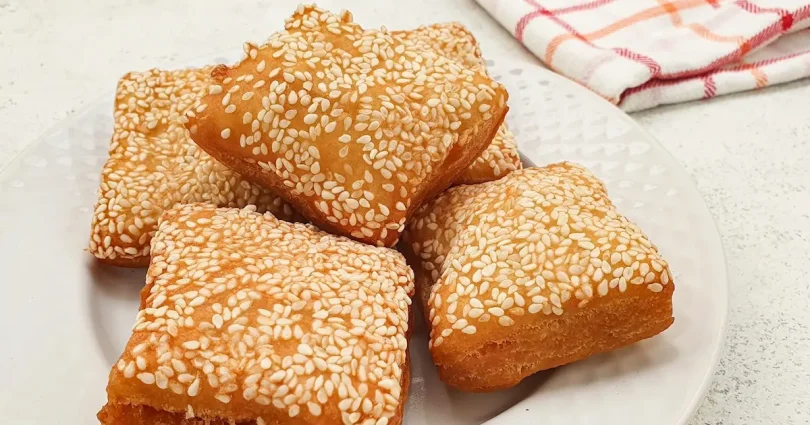
Onde-Onde are small golden sesame-coated balls with a chewy texture and a sweet mung bean paste filling. Crispy on the outside and soft inside, they’re enjoyed across Indonesia, especially during festivals.
Originally influenced by Chinese cuisine, Onde-Onde has been embraced as a local favorite. The combination of nutty sesame seeds and smooth, sweet filling makes them both satisfying and comforting.
Why people love it: A perfect blend of textures — crunchy, chewy, and creamy.
You may also like it:
Traditional Coconut Desserts of Indonesia – A Complete Guide
Herbal Beverages from Indonesia – Traditional Healing Drinks
Cheap and Tasty Indonesian Food You Must Try
Easy Traditional Indonesian Dishes at Home
7. Getuk (Cassava Sweet Cake)
Getuk is a traditional snack made from boiled cassava, mashed with sugar and coconut. It’s often shaped into colorful layers or blocks, creating a visually appealing presentation. Some versions are steamed, while others are fried for a crispy texture.
Getuk is simple, humble, and deeply nostalgic for many Indonesians, especially those from rural areas. The sweet taste and soft texture make it a delightful comfort food.
Why it’s meaningful: It represents Indonesia’s resourcefulness — turning simple cassava into a beloved national snack.
8. Wajik (Sticky Rice with Palm Sugar)
If you love sticky rice, you’ll fall in love with Wajik. This sweet, chewy snack is made from glutinous rice cooked with palm sugar and coconut milk, then cut into diamond-shaped pieces. It’s often served during weddings and traditional celebrations, symbolizing unity and togetherness.
Wrapped in banana leaves, Wajik carries a gentle coconut aroma that enhances its flavor. The texture is chewy but soft, making it a pleasure to eat.
Why it’s symbolic: In Indonesian culture, Wajik represents sweetness in relationships and harmony in life.
9. Es Pisang Ijo (Green Banana Dessert)
Although often classified as a dessert, Es Pisang Ijo is also enjoyed as a sweet snack, especially during hot weather. It features ripe bananas wrapped in a thin green pandan-flavored dough, served with coconut milk, syrup, and shaved ice.
The combination of cold, creamy, and sweet makes it incredibly refreshing. It’s especially popular during Ramadan as a favorite iftar (breaking fast) dish.
Why it’s refreshing: It’s the perfect balance of sweetness, coolness, and tropical flavors.
10. Kue Cubit (Mini Pancakes)
Kue Cubit is one of Indonesia’s most modern yet traditional snacks. It’s a small, thick pancake cooked in a special mold and usually topped with chocolate sprinkles, cheese, or condensed milk. The name “Cubit” means “pinch,” referring to its small size.
In recent years, creative versions have appeared with matcha, Nutella, and Oreo toppings. The half-cooked version, with a gooey center, is especially popular among youngsters.
Why it’s trendy: A fun street snack that bridges traditional taste with modern toppings.
Why Indonesian Sweet Snacks Are So Special
What makes these best sweet snacks from Indonesia so special is their connection to the country’s culture and simplicity. Most recipes have been passed down through generations and are made with ingredients found locally. The heavy use of coconut milk, palm sugar, and pandan creates a signature Indonesian taste — sweet, fragrant, and comforting.
Another reason for their charm is the experience. Many of these snacks are not just food but part of the local lifestyle — sold by vendors on bicycles, served during ceremonies, or shared among families.
From the soft chewiness of Klepon to the crispy crunch of Pisang Goreng, each snack represents the warmth, creativity, and tradition of Indonesian people.
Final Thoughts
Indonesia’s sweet snacks are more than desserts — they’re a symbol of its cultural richness and love for authentic, handmade food. Whether you’re enjoying Klepon with a cup of tea, peeling the layers of Kue Lapis, or savoring the warm aroma of Kue Putu from a street stall, every bite tells a story.
If you ever visit Indonesia, don’t leave without tasting these traditional sweets. And if you’re at home, try making them yourself — it’s a delicious way to experience a taste of Indonesia right in your kitchen.
FAQs
1. What are the most popular sweet snacks in Indonesia?
Some of the most popular sweet snacks from Indonesia include Klepon (sweet rice balls), Dadar Gulung (rolled coconut pancakes), Pisang Goreng (fried bananas), Kue Lapis (layer cake), and Onde-Onde (sesame balls). Each of these has its own distinct flavor and texture, representing Indonesia’s diverse culinary heritage.
2. What ingredients are commonly used in Indonesian sweet snacks?
Traditional Indonesian sweets often use natural and tropical ingredients like coconut milk, palm sugar, pandan leaves, glutinous rice, cassava, and bananas. These ingredients create the unique aroma, flavor, and texture found in most Indonesian desserts and snacks.
3. Are Indonesian sweet snacks healthy?
While many Indonesian sweet snacks are made with natural ingredients, such as coconut, rice flour, and palm sugar, they are still considered treats and should be enjoyed in moderation. The use of unrefined sugars and plant-based ingredients, however, makes them healthier than many processed sweets.
4. Where can I find traditional Indonesian sweet snacks?
You can find these snacks at traditional markets (pasar), street stalls, and local bakeries across Indonesia. In larger cities, some cafés and restaurants also offer modern versions of these classics. If you live abroad, many recipes can be recreated easily at home with accessible ingredients.
5. What is the difference between Indonesian desserts and sweet snacks?
Indonesian desserts are usually served after meals and may include cold treats like Es Pisang Ijo or Es Cendol. Sweet snacks, on the other hand, are often eaten between meals or with tea and coffee. However, the line between them is often blurred, as many can serve both purposes.