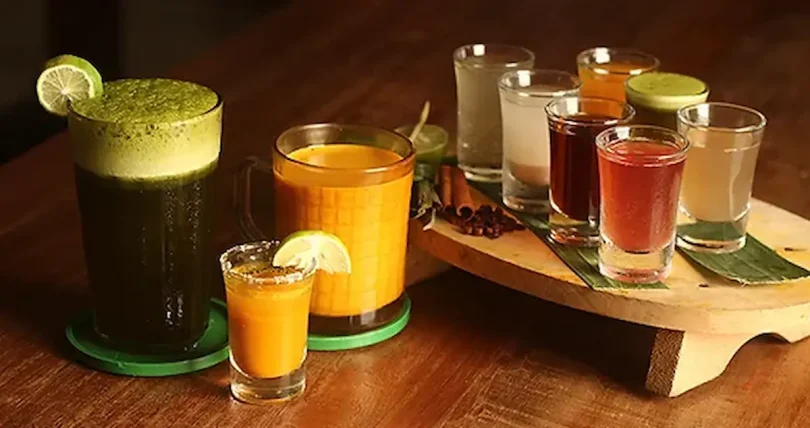

If you’ve ever traveled through Indonesia or even read about its culture, you’ll know this country is much more than just beaches, temples, and traditional food. Indonesia is also famous for its wide range of herbal beverages, which have been part of its culture for hundreds of years. These drinks are not only refreshing but are also deeply connected to health, wellness, and natural healing traditions that have been passed down from generation to generation.
Let’s explore the fascinating world of herbal beverages from Indonesia, their unique flavors, and the stories behind them.
What Are Indonesian Herbal Beverages?
Herbal beverages from Indonesia are traditional drinks made using natural ingredients like roots, spices, leaves, and sometimes flowers. They are commonly known as “jamu”, a term that refers to Indonesia’s centuries-old herbal medicine tradition.
Jamu has been part of Indonesian life for over a thousand years and is believed to promote overall health, prevent illness, and balance the body’s energy. These herbal drinks are still widely consumed today — from rural villages to modern urban homes — proving their lasting importance in Indonesian culture.
Each type of jamu has its own purpose. Some are meant to increase stamina, others to improve digestion, boost immunity, or even enhance beauty. What makes these drinks truly special is that they are made from natural ingredients, often sourced directly from Indonesia’s fertile soil.
Popular Herbal Beverages from Indonesia
Here are some of the most well-known and beneficial herbal beverages from Indonesia that you can find across the country:
1. Jamu Kunyit Asam (Turmeric Tamarind Drink)
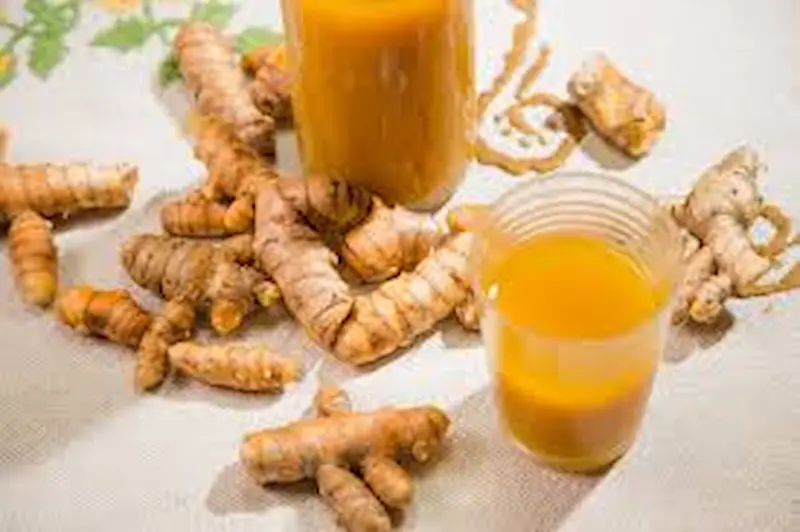
This golden-yellow drink is perhaps the most popular herbal beverage in Indonesia. It’s made from turmeric, tamarind, water, and palm sugar. The drink has a slightly tangy and refreshing taste. Turmeric, being rich in antioxidants and anti-inflammatory properties, is known to cleanse the body and improve skin health. Indonesians often drink jamu kunyit asam daily to maintain energy and wellness.
2. Wedang Jahe (Ginger Tea)
Ginger tea is enjoyed in many cultures, but Wedang Jahe is Indonesia’s unique version. Made from fresh ginger, palm sugar, and sometimes pandan leaves or lemongrass, this drink has a spicy and aromatic flavor. It’s often served warm and is perfect for cold weather or when you’re feeling tired. It’s known to improve blood circulation, relieve nausea, and strengthen the immune system.
3. Beras Kencur (Rice and Aromatic Galangal Drink)
Beras Kencur combines rice (beras) with aromatic galangal (kencur), tamarind, and palm sugar. It has a slightly sweet and spicy flavor and is commonly consumed by students or workers who need an energy boost. Traditionally, it’s believed to relieve fatigue, improve appetite, and strengthen the body.
You may also like it:
Traditional Coconut Desserts of Indonesia – A Complete Guide
Cheap and Tasty Indonesian Food You Must Try
Easy Traditional Indonesian Dishes at Home
4. Wedang Uwuh
Wedang Uwuh literally means “garbage drink,” but don’t let the name fool you. It’s called that because the herbs floating in the drink resemble pieces of “trash.” Made with cinnamon, cloves, nutmeg, and ginger, this bright reddish beverage is both fragrant and flavorful. It’s particularly popular in Yogyakarta and is known to help with blood circulation, warming the body, and relieving colds.
5. Teh Daun Jati Cina (Senna Leaf Tea)
This tea is made from the dried leaves of the Senna plant and is commonly used as a natural detox drink. Indonesians drink Teh Daun Jati Cina to cleanse their digestive system and feel lighter. However, it should be consumed in moderation as it acts as a mild laxative.
Why Indonesians Love Herbal Beverages
There are many reasons why herbal beverages from Indonesia remain so popular even in the modern era:
- Natural Ingredients: Most herbal drinks are made from organic, chemical-free ingredients like turmeric, ginger, galangal, and tamarind.
- Health Benefits: They are believed to boost immunity, improve digestion, and promote glowing skin naturally.
- Cultural Connection: Drinking jamu is not just a habit — it’s a cultural tradition that connects Indonesians to their ancestors and heritage.
- Flavor Variety: With so many different herbs and spices, each drink has its own unique taste and purpose.
In Indonesia, jamu is more than just a drink — it’s a lifestyle and a symbol of living in harmony with nature.
Where to Find Herbal Beverages in Indonesia
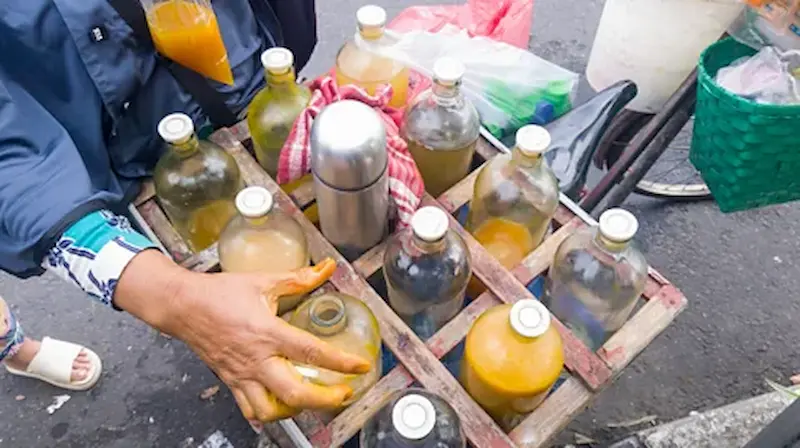
You can find herbal beverages almost everywhere in Indonesia. In traditional markets, jamu sellers (often women known as “ibu jamu”) sell freshly made herbal drinks from large bottles. In urban areas, you’ll also find ready-to-drink jamu bottles in supermarkets and cafes that have modernized these traditional recipes.
For the best experience, try buying a cup from a local jamu vendor. Not only will you enjoy a fresh, homemade drink, but you’ll also get a glimpse of Indonesia’s living heritage.
Can You Make Them at Home?
Yes, and it’s easier than you might think. For instance, to make Jamu Kunyit Asam, you’ll need fresh turmeric, tamarind, palm sugar, and water.
- Peel and blend the turmeric.
- Boil it with water, tamarind, and palm sugar.
- Strain the mixture and let it cool.
You can enjoy it either warm or chilled. It’s simple, natural, and perfect for daily consumption.
The Importance of Herbal Beverages in Modern Times
In today’s fast-paced world, many people are turning back to natural remedies, and herbal beverages from Indonesia are gaining international attention. They offer a refreshing alternative to sugary drinks and are packed with nutrients. These traditional drinks promote holistic wellness — healing both body and mind.
What’s impressive is how Indonesia has managed to keep its herbal traditions alive while adapting them to modern lifestyles. Now, you can find jamu cafés and even bottled herbal drinks that cater to younger generations.
Final Thought
Herbal beverages from Indonesia are much more than just drinks — they are part of the country’s cultural identity and a natural source of health and wellness. Whether it’s the golden color of jamu kunyit asam, the spicy warmth of wedang jahe, or the fragrance of wedang uwuh, each sip carries the wisdom of generations.
So, the next time you want something delicious and beneficial, skip the soft drinks and choose a traditional Indonesian herbal beverage instead. It’s nature’s gift in a glass — pure, healing, and full of tradition.
FAQs
Q1: What is jamu in Indonesia?
Jamu is a traditional Indonesian herbal drink made from natural ingredients like roots, spices, and leaves. It’s used to maintain health and treat minor ailments.
Q2: Are herbal beverages from Indonesia safe to drink?
Yes, they are safe when prepared properly. Most of them use natural ingredients such as turmeric, ginger, tamarind, and galangal.
Q3: Can I buy Indonesian herbal beverages outside Indonesia?
Yes, you can find bottled jamu or herbal tea mixes in many Asian grocery stores and online platforms. However, homemade versions are always fresher and more authentic.
Q4: What is the most popular herbal drink in Indonesia?
Jamu Kunyit Asam (Turmeric Tamarind Drink) is one of the most popular and widely consumed herbal beverages in Indonesia.