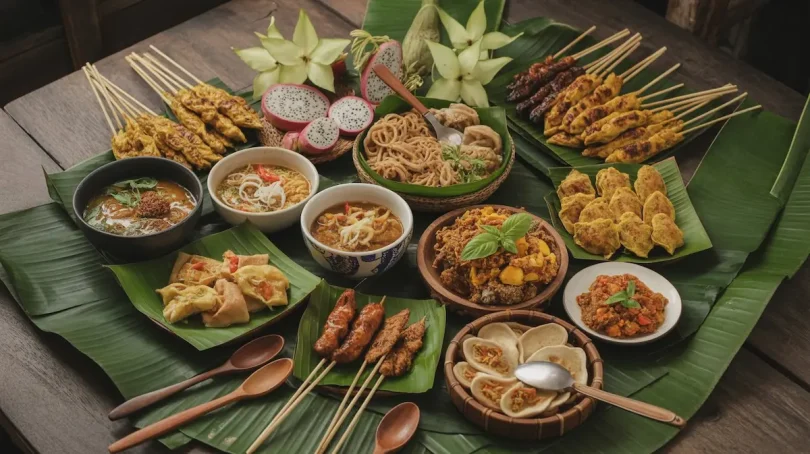

If you’ve ever walked through the streets of Jakarta, Bandung, or Bali, you already know how tempting Indonesian street food can be. The sizzling sounds, the aroma of grilled satay, and the sight of vendors cooking fresh snacks on the spot create an experience you don’t forget.
The good news is, you don’t need to travel to Indonesia to enjoy these flavors. With the right ingredients and simple techniques, you can recreate Indonesian street food recipes in your own kitchen and enjoy the same mouth-watering experience.
In this guide, let’s explore some of Indonesia’s iconic street foods, the cultures behind them, and step-by-step recipes that are easy to follow.
1. Sate Ayam (Chicken Satay with Peanut Sauce)
Why it’s famous:
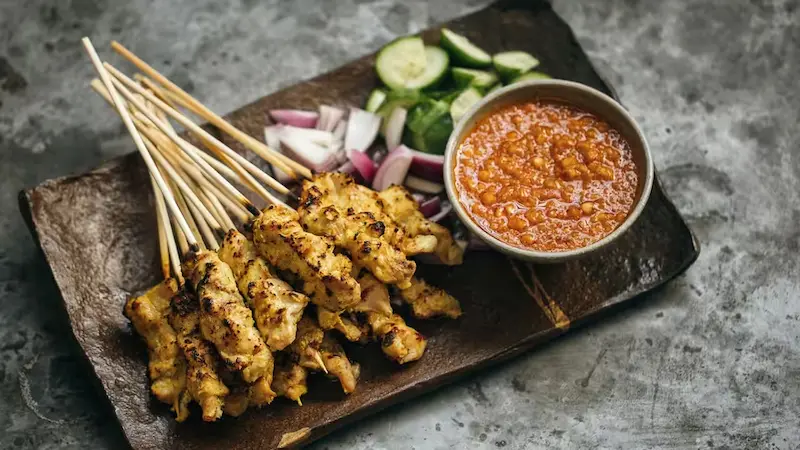
Sate Ayam is one of Indonesia’s culinary icons. Sold on almost every street corner, the smoky aroma of grilled chicken combined with sweet peanut sauce makes it a must-try.
Ingredients:
For the Chicken Marinade:
- 500 g chicken breast or thighs (cut into bite-sized cubes)
- 2 tbsp light soy sauce
- 1½ tbsp sweet soy sauce (kecap manis)
- 2 garlic cloves (grated)
- 1 tsp ground turmeric
- ½ tsp coriander powder
- Salt to taste
- Bamboo skewers (soaked in water for 10 minutes to prevent burning)
For the Peanut Sauce:
- 200 g roasted peanuts (ground or blended)
- 1 tbsp light soy sauce
- 2–3 tbsp kecap manis
- 1 tsp chili paste (adjust to your spice level)
- 1 garlic clove (minced)
- 1 tbsp lime juice
- 150 ml warm water (add more to adjust thickness)
How to Make It:
- Mix all marinade ingredients and coat chicken well. Let it rest for at least 30 minutes for full flavor.
- Thread marinated chicken onto skewers.
- Grill over charcoal, grill pan, or air fryer until browned and slightly charred. Brush with kecap manis while cooking for a glossy finish.
- For the sauce, mix all ingredients until smooth. Add warm water until it reaches a creamy texture.
- Serve satay hot with sauce poured over it. Garnish with chopped onions and a squeeze of lime.
Serving Tip: Traditionally served with lontong (rice cakes) and cucumber slices for balance.
2. Nasi Goreng (Indonesian Fried Rice)
Why people love it:
It’s flavorful, quick, and budget-friendly. Many Indonesians eat it for breakfast or as a late-night street meal.
Ingredients:
- 2 cups cooked rice (preferably day-old for best texture)
- 2 eggs
- 1 small onion (finely chopped)
- 2 garlic cloves (minced)
- ½ cup shredded chicken or prawns (optional)
- 2 tbsp light soy sauce
- 1½ tbsp sweet soy sauce (kecap manis)
- 1 tsp chili paste or finely chopped chili
- A handful of veggies: carrots, cabbage, and green onions
- Oil for cooking
How to Make It:
- Heat oil in a wok and scramble the eggs. Remove and set aside.
- In the same pan, sauté onion and garlic until fragrant.
- Add your protein of choice and cook thoroughly.
- Add vegetables, then stir in rice.
- Season with soy sauce, kecap manis, and chili. Mix on high heat until well combined.
- Add the scrambled egg back in and stir.
- Serve hot, topped with fried shallots and cucumber slices.
Variations:
- Add shrimp paste (terasi) for an extra authentic street flavor.
- Top with a fried egg (Nasi Goreng Spesial style).
You may also like it:
Traditional Coconut Desserts of Indonesia – A Complete Guide
Herbal Beverages from Indonesia – Traditional Healing Drinks
Cheap and Tasty Indonesian Food You Must Try
Easy Traditional Indonesian Dishes at Home
3. Mie Goreng (Indonesian Fried Noodles)
A crowd favorite:
Sold everywhere from school canteens to night markets. It’s savory, lightly sweet, and full of texture.
Ingredients:
- 2 packs instant noodles or 200 g fresh noodles
- 3 garlic cloves (minced)
- 1 egg
- ½ cup shredded cabbage
- ¼ cup sliced carrots
- 2 tbsp soy sauce
- 1½ tbsp kecap manis
- ½ tsp sesame oil (optional)
- Oil for cooking
How to Make It:
- Boil noodles until just cooked. Drain and set aside.
- Heat oil and sauté garlic.
- Add vegetables and stir on high heat.
- Push vegetables aside and scramble the egg in the same pan.
- Add noodles, soy sauce, kecap manis, and mix well.
- Stir until noodles are evenly coated and fragrant.
- Serve with fried onions, a wedge of lime, and prawn crackers.
Street Style Secret: Vendors often add a spoon of chili oil and sweet soy for extra flavor depth.
4. Martabak Telur (Crispy Savory Egg Stuffed Pancake)
About the dish:
A popular nighttime street food, Martabak Telur combines a crispy outer layer with a juicy, savory filling.
Ingredients:
- 2 large eggs
- 100 g minced beef or chicken (optional)
- 1 small onion (finely chopped)
- 1 green chili (chopped)
- 1 spring onion (chopped)
- Salt and pepper to taste
- 4 large spring roll wrappers or roti prata dough
- Oil for frying
How to Make It:
- Mix eggs, onion, chili, spring onion, meat, salt, and pepper in a bowl.
- Place mixture in the center of the wrapper and fold like a square parcel.
- Fry in shallow oil over medium heat until crispy and golden on both sides.
- Serve with pickled cucumbers and chili sauce.
Flavor Upgrade: Some vendors add curry powder to the filling for a richer aroma.
5. Pisang Goreng (Crispy Fried Bananas)

Why it’s loved:
Crispy outside, soft inside, and perfect for tea time. Sold everywhere from beaches to roadside stalls.
Ingredients:
- 4 ripe but firm bananas
- 1 cup all-purpose flour
- 1 tbsp sugar
- 1 tbsp rice flour (optional for extra crispiness)
- A pinch of salt
- Water to make batter
- Oil for frying
How to Make It:
- Mix flour, sugar, salt, and water to make a smooth medium-thick batter.
- Slice bananas in halves or lengthwise.
- Dip bananas into the batter.
- Fry until golden brown and crispy.
- Serve hot.
Optional Toppings for Modern Style:
- Chocolate drizzle
- Grated cheese
- Condensed milk
- Cinnamon sugar
Conclusion
Indonesian street food isn’t just about taste; it’s about culture, memories, and togetherness. These Indonesian street food recipes allow you to bring the same joyous experience into your home. Whether you prefer savory dishes like Satay and Martabak or sweet treats like Pisang Goreng, each recipe offers a touch of Indonesian heritage.
With simple ingredients and easy techniques, anyone can prepare these foods and enjoy a taste of Indonesia without traveling. Try one recipe this week, share with friends or family, and slowly build your own Indonesian street food night at home.
Frequently Asked Questions (FAQs)
1. What are the most popular Indonesian street food recipes to try at home?
Some of the most popular Indonesian street food recipes you can make at home include Sate Ayam (Chicken Satay), Nasi Goreng, Mie Goreng, Martabak Telur, and Pisang Goreng. These dishes are widely loved, simple to cook, and require basic ingredients.
2. Are Indonesian street food recipes difficult to prepare?
No, most Indonesian street food recipes are quite easy to prepare. They use simple cooking methods such as frying, grilling, or stir-frying. With the right seasoning and a few key ingredients like kecap manis (sweet soy sauce), garlic, and chili, you can achieve authentic flavors at home.
3. Can I make Indonesian street food without spicy ingredients?
Yes, you can adjust the spice level based on personal preference. Most recipes taste great even with little to no chili. You can always serve chili sauce or sambal on the side so others can add spice if they prefer.
4. What ingredients are essential for Indonesian street food recipes?
Some key ingredients include kecap manis (sweet soy sauce), garlic, chili, soy sauce, rice or noodles, peanuts (for satay sauce), and fresh vegetables. These basics help create the signature sweet, savory, and slightly spicy Indonesian flavor.
5. Can I make vegetarian versions of Indonesian street food?
Yes. Many Indonesian street food dishes can be made vegetarian by replacing meat with tofu, tempeh, or vegetables. For example, vegetarian Mie Goreng, tofu satay, and vegetable Martabak taste just as delicious.
6. What is the best way to serve Indonesian street food at home?
Serve dishes fresh and hot, just like street vendors do. Pair savory items with cucumber slices, pickles, or sambal, and sweet snacks with tea or coffee. If hosting, you can create your own Indonesian street food night with multiple small dishes for guests to enjoy.