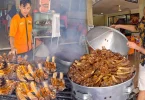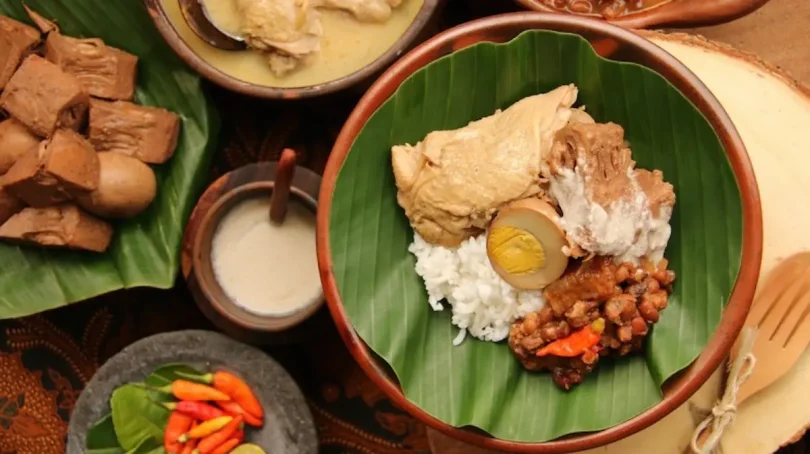

Indonesia is more than just a beautiful country filled with islands and beaches — it’s a land of incredible flavors, vibrant markets, and mouthwatering street food. Whether you’re walking through the busy lanes of Jakarta, exploring the artistic streets of Yogyakarta, or enjoying the relaxed vibe of Bali, you’ll find small food stalls and vendors serving some of the most delicious and affordable dishes in Southeast Asia.
Street food in Indonesia is not just about eating — it’s about culture, connection, and community. Locals gather around food carts after work, students grab quick snacks between classes, and tourists are welcomed with friendly smiles and irresistible aromas. Let’s take a journey through the must-try Indonesian street dishes that define this amazing culinary landscape.
1. Nasi Goreng (Indonesian Fried Rice)

When it comes to Indonesian street food, Nasi Goreng is the ultimate favorite. It’s Indonesia’s national dish and a comfort food loved by everyone. Nasi Goreng is made with rice stir-fried in sweet soy sauce (kecap manis), garlic, chili, and shallots. Often, it’s topped with a fried egg and served with crispy prawn crackers, pickles, or satay on the side.
Each region has its own version — for example, Nasi Goreng Jawa from Java has a spicier, smoky flavor, while Nasi Goreng Seafood includes shrimp and squid. The best part? You can enjoy a filling plate of Nasi Goreng for just a few thousand rupiah, making it a cheap and tasty meal option.
2. Sate (Satay – Grilled Meat Skewers)
Sate, or Satay, is another street food superstar. These skewered pieces of meat — whether chicken, beef, goat, or even fish — are marinated in spices, grilled over hot charcoal, and served with a rich peanut sauce. The smoky aroma of satay fills the streets at night markets, making it impossible to resist.
There are many regional variations, such as Sate Madura with its sweet soy glaze, Sate Padang served with spicy yellow sauce, and Sate Ayam (chicken satay) which is mild yet flavorful. Served with rice cakes (lontong) or cucumber slices, Sate is both satisfying and affordable.
3. Bakso (Indonesian Meatball Soup)
If you’re looking for comfort food, Bakso is the answer. This flavorful meatball soup is made from finely ground beef mixed with tapioca flour, giving the meatballs a smooth and bouncy texture. They’re served in a hot broth with noodles, tofu, eggs, and fried shallots.
You’ll often spot bakso vendors pushing their wooden carts and calling out to customers in the street. Many locals add chili sauce, soy sauce, and vinegar to adjust the flavor. It’s warm, hearty, and perfect for Indonesia’s rainy evenings.
4. Mie Goreng (Fried Noodles)
Mie Goreng is another staple you’ll find all over Indonesia. This dish features stir-fried noodles mixed with vegetables, eggs, soy sauce, and your choice of meat or seafood. It’s sweet, salty, and slightly spicy — a perfect balance of Indonesian flavors.
Street vendors usually cook it in a hot wok, giving it that irresistible smoky aroma known as wok hei. You can find Mie Goreng at night markets, roadside stalls, and even in convenience stores. It’s one of those dishes that never disappoints, whether you’re grabbing a quick lunch or a late-night snack.
5. Martabak (Stuffed Pancake)
If you have a sweet tooth or love something savory, Martabak is a street food you can’t skip. There are two kinds:
- Martabak Manis (Sweet Martabak): A thick pancake filled with chocolate, cheese, peanuts, condensed milk, or Nutella.
- Martabak Telur (Savory Martabak): A crispy crepe filled with eggs, minced meat, onions, and spices, often served with pickled vegetables and chili sauce.
The smell of Martabak cooking on a hot griddle is enough to draw a crowd. Vendors usually make it fresh to order, ensuring every bite is hot, rich, and satisfying.
You may also like it:
Traditional Coconut Desserts of Indonesia – A Complete Guide
Herbal Beverages from Indonesia – Traditional Healing Drinks
Cheap and Tasty Indonesian Food You Must Try
Easy Traditional Indonesian Dishes at Home
6. Gado-Gado (Vegetable Salad with Peanut Sauce)
For something lighter yet flavorful, Gado-Gado is an excellent choice. This traditional Indonesian salad features boiled vegetables, tofu, tempeh, eggs, and lontong (rice cakes) all topped with a thick, creamy peanut sauce.
The sauce is what makes Gado-Gado special — it’s a blend of roasted peanuts, garlic, tamarind, and palm sugar, creating a perfect balance of sweet and savory. It’s nutritious, filling, and suitable for vegetarians, proving that Indonesian street food isn’t just about fried or spicy dishes.
7. Gorengan (Deep-Fried Snacks)
One of the most common sights in Indonesian streets is the Gorengan stall. These vendors sell an assortment of deep-fried snacks like:
- Pisang Goreng (Fried Banana)
- Tempeh Goreng (Fried Fermented Soybeans)
- Tahu Isi (Stuffed Tofu)
- Singkong Goreng (Fried Cassava)
These snacks are crispy, hot, and often served with spicy chili sauce. They’re perfect as a quick bite or evening snack, and they cost next to nothing — usually just a few hundred rupiah per piece!
8. Soto (Traditional Soup)
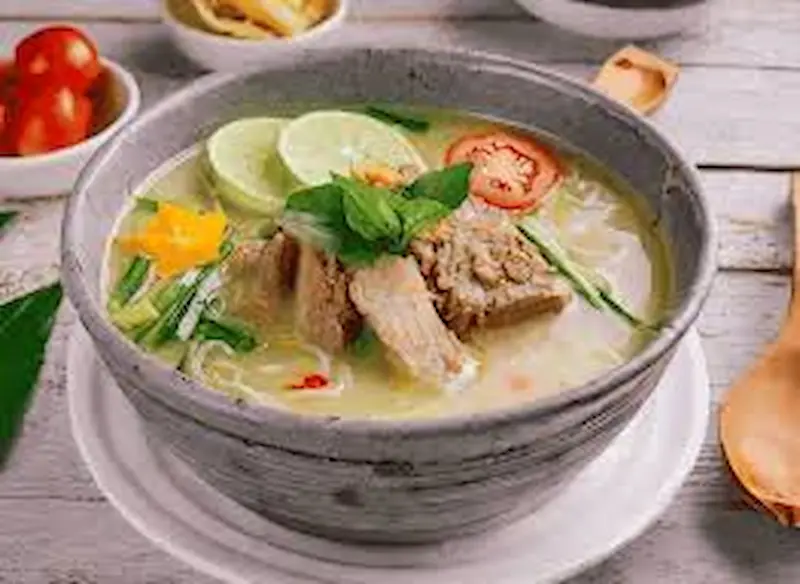
Soto is one of Indonesia’s most comforting dishes. It’s a warm, aromatic soup made with meat (usually chicken or beef), vermicelli noodles, herbs, and spices. The broth is often flavored with turmeric, giving it a golden color and earthy aroma.
Popular variations include Soto Ayam (chicken soup) from Java, Soto Betawi from Jakarta with coconut milk, and Soto Lamongan with a distinct yellow broth. Served with rice or crackers, Soto is perfect for breakfast, lunch, or dinner.
9. Nasi Uduk (Coconut Rice)
Nasi Uduk is a fragrant dish where rice is cooked in coconut milk and spices like lemongrass, bay leaves, and pandan. It’s typically served with fried chicken, tempeh, boiled egg, and sambal.
This dish is especially popular in Jakarta, often enjoyed as a hearty breakfast. The coconut milk adds a creamy texture and rich flavor that pairs beautifully with the spicy side dishes.
10. Es Cendol (Sweet Iced Dessert)
After trying all those savory dishes, you’ll definitely crave something refreshing — and that’s where Es Cendol comes in. This traditional Indonesian dessert drink combines coconut milk, green rice flour jelly, shaved ice, and palm sugar syrup.
It’s sweet, creamy, and cooling — perfect for Indonesia’s warm climate. You’ll find Es Cendol stalls everywhere, especially in markets and near beaches.
Why You Should Try Indonesian Street Food
Indonesian street food isn’t just about eating; it’s an experience that connects you to the people, traditions, and energy of the country. Every dish reflects local culture — from Java’s spicy noodles to Bali’s sweet pancakes.
What makes it even better is the affordability and freshness. Most dishes cost between 10,000 and 25,000 IDR ($1–$2), and vendors prepare everything right in front of you. It’s authentic, satisfying, and full of flavor — a true reflection of Indonesia’s heart.
Conclusion
Exploring must-try Indonesian street dishes is one of the best ways to experience the country. Each dish — from smoky Sate to comforting Bakso — tells a story of tradition, creativity, and local pride. Whether you’re a first-time visitor or a returning traveler, Indonesia’s street food will always surprise you with new tastes and unforgettable memories.
So next time you visit, skip the fancy restaurants and head straight to the nearest warung or night market. That’s where you’ll find the real flavor of Indonesia — hot, spicy, sweet, and absolutely delicious.
FAQs About Must-Try Indonesian Street Dishes
Q1. What are some famous Indonesian street foods?
A1. Some of the most famous dishes include Nasi Goreng, Satay, Bakso, Martabak, and Gado-Gado. Each dish has its own regional twist.
Q2. Are Indonesian street foods spicy?
A2. Many are mildly spicy, but vendors can adjust the spice level based on your preference. You can always ask for “tidak pedas” (not spicy).
Q3. Is Indonesian street food safe to eat?
A3. Yes, choose busy stalls where locals eat, as that indicates freshness and good hygiene. Most food is cooked right in front of you.
Q4. Are there vegetarian options in Indonesian street food?
A4. Yes, dishes like Gado-Gado, Tempeh Goreng, and Vegetarian Nasi Goreng are great choices for non-meat eaters.
Q5. How much does street food cost in Indonesia?
A5. Street food is very affordable — most meals range between 10,000–25,000 IDR, or roughly $1–$2 USD.