
Indonesia, known for its lush coconut trees and tropical climate, has long embraced coconut as a key ingredient in its cuisine—especially in desserts. From creamy puddings to sweet steamed cakes, coconut adds a rich, aromatic, and comforting touch to Indonesian sweets.
Whether it’s grated, pressed into milk, or turned into sugar, coconut is the heart of many beloved traditional treats. Let’s explore some of the most traditional coconut desserts of Indonesia that have been passed down through generations and continue to bring joy to every festive table.
1. Klepon (Sweet Coconut Rice Balls)
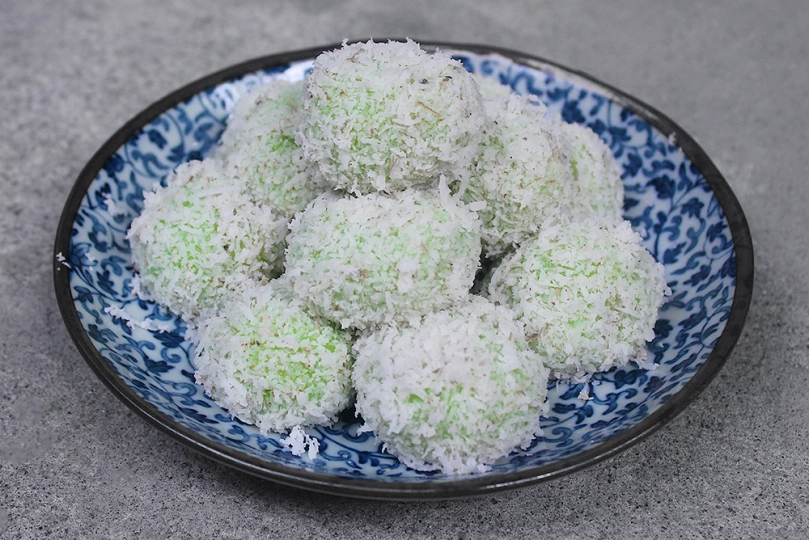
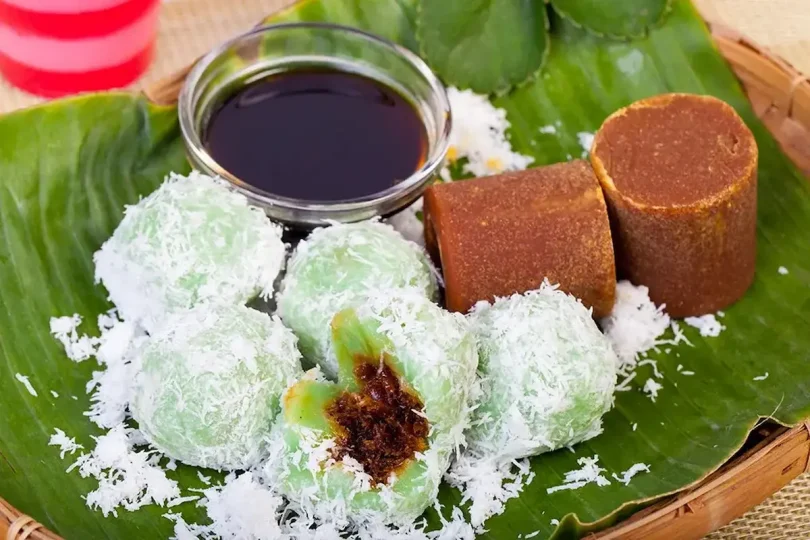
Klepon is one of Indonesia’s most iconic coconut-based desserts. These green glutinous rice balls are filled with palm sugar syrup and rolled in freshly grated coconut. When you take a bite, the sweet liquid bursts in your mouth—creating a delightful surprise.
Why it’s special:
The contrast between the chewy rice texture and soft coconut coating makes Klepon a perfect balance of flavor and fun. It’s a favorite at markets and family gatherings.
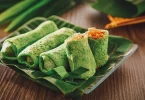
2. Dadar Gulung (Coconut Pancake Rolls)
Dadar Gulung is a soft, bright green pandan pancake filled with a mixture of grated coconut and melted palm sugar. Rolled neatly into small cylinders, these pancakes are moist, fragrant, and sweet.
Why it’s special:
The pandan flavor gives Dadar Gulung its signature aroma, while the coconut filling adds a pleasant crunch. It’s a must-have for traditional feasts and tea-time snacks.
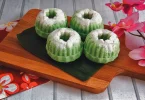
3. Putu Ayu (Steamed Coconut Cupcakes)
Putu Ayu is a beautiful steamed cake made with rice flour, sugar, and coconut milk. The top is layered with grated coconut, giving it a salty-sweet flavor that perfectly complements the soft green base.
Why it’s special:
Its flower-like shape makes it not only delicious but also visually appealing. It’s often served during festive gatherings and traditional ceremonies.
4. Kue Lupis (Glutinous Rice Cake with Coconut and Palm Sugar Syrup)
Kue Lupis is a diamond-shaped glutinous rice cake wrapped in banana leaves and topped with grated coconut and thick palm sugar syrup.
Why it’s special:
This dessert is chewy, aromatic, and rich. The combination of sweet syrup and salty coconut creates a flavor harmony that’s uniquely Indonesian.
You may also like it:
Herbal Beverages from Indonesia – Traditional Healing Drinks
Cheap and Tasty Indonesian Food You Must Try
Easy Traditional Indonesian Dishes at Home
5. Kolak Ubi (Sweet Potato in Coconut Milk)
Kolak Ubi is a creamy dessert made from sweet potatoes, banana, or cassava simmered in coconut milk and palm sugar. It’s often served warm and is especially popular during Ramadan.
Why it’s special:
The use of coconut milk makes Kolak smooth and comforting, perfect for breaking the fast or as a cozy afternoon treat.
6. Bubur Sumsum (Coconut Rice Porridge)
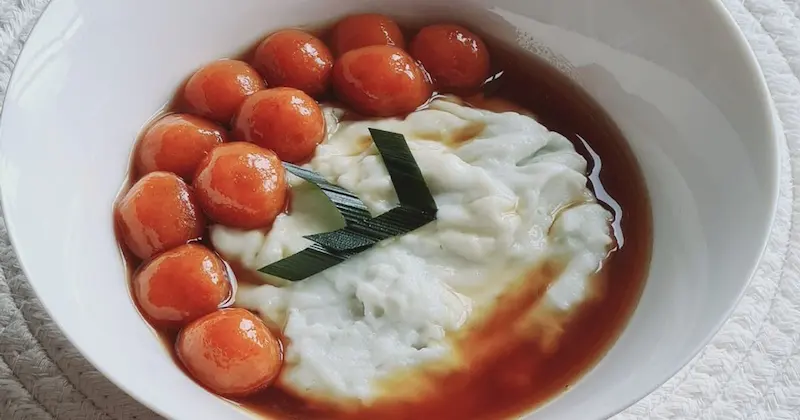
Bubur Sumsum is a silky rice flour porridge cooked in coconut milk and served with palm sugar syrup. It’s light, slightly salty, and sweet at the same time.
Why it’s special:
Simple yet satisfying, Bubur Sumsum is often enjoyed during traditional ceremonies or family gatherings. It represents comfort and simplicity in Indonesian cuisine.
7. Es Dawet (Cendol – Iced Coconut Drink Dessert)
Es Dawet, or cendol, is a refreshing dessert made from green rice flour jelly, coconut milk, and palm sugar syrup served over crushed ice.
Why it’s special:
It’s a perfect balance of creamy and sweet flavors. The combination of cold coconut milk and chewy cendol makes it a popular street dessert, especially on hot days.
8. Getuk Lindri (Mashed Cassava with Coconut)
Getuk Lindri is a traditional snack made from steamed cassava mashed with sugar and topped with grated coconut. It’s often colorful, with hues of pink, yellow, and green.
Why it’s special:
Its simplicity and mild sweetness make it a favorite for breakfast or tea time. The coconut topping adds both texture and aroma.
9. Kue Putu (Steamed Rice Cake Filled with Palm Sugar)
Kue Putu is made from rice flour filled with palm sugar and steamed inside bamboo tubes. Once cooked, it’s rolled in grated coconut.
Why it’s special:
The sweet aroma of steaming rice and coconut is nostalgic for many Indonesians. This dessert is a common sight at night markets.
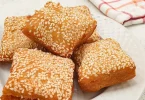
10. Wingko Babat (Coconut Sticky Cake)
Wingko Babat is a chewy coconut cake made with grated coconut, glutinous rice flour, sugar, and coconut milk. It’s baked until golden brown and often sold as a souvenir in Indonesian cities like Semarang.
Why it’s special:
Wingko Babat has a toasty, caramelized flavor and chewy texture, making it one of Indonesia’s most beloved traditional coconut treats.
The Role of Coconut in Indonesian Desserts
Coconut isn’t just an ingredient—it’s a symbol of abundance and warmth in Indonesian culture. From the coconut milk that gives desserts their creamy texture to the grated coconut used for garnish, every part of the fruit is used. The balance between sweet, salty, and creamy flavors is what makes these desserts so distinctive.
Many traditional recipes are still prepared by hand, passed down through families, preserving Indonesia’s rich culinary identity. Whether you enjoy Klepon’s surprise filling or the comfort of Bubur Sumsum, these desserts offer a true taste of Indonesia’s tropical soul.
FAQs About Traditional Coconut Desserts of Indonesia
1. Why is coconut used so often in Indonesian desserts?
Coconut is abundant in Indonesia and provides a creamy, aromatic base that balances sweetness beautifully. It’s also versatile and used in milk, grated, or sugar form.
2. Are Indonesian coconut desserts vegan-friendly?
Yes, most traditional desserts use plant-based ingredients like coconut milk, rice flour, and palm sugar, making them naturally vegan.
3. Which Indonesian coconut dessert is best for beginners?
Klepon and Dadar Gulung are great starting points—they’re easy to make and showcase authentic Indonesian flavors.
4. Can these desserts be served cold?
Yes! Some, like Es Dawet and Kolak, are best enjoyed chilled or over ice, especially in hot weather.
5. Where can I find these desserts in Indonesia?
You can find them in traditional markets (pasar), food stalls, and local celebrations throughout Indonesia.