


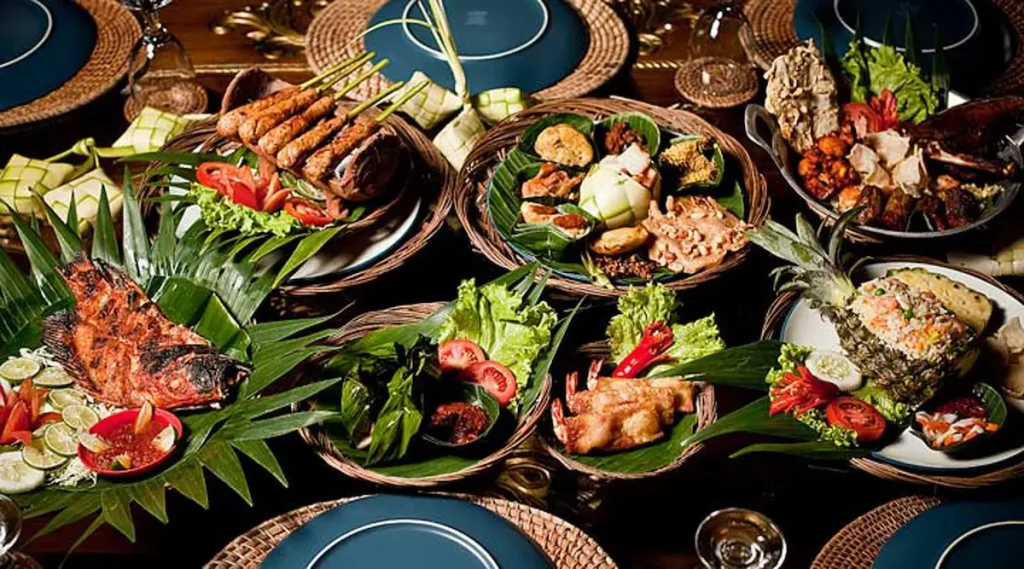
There is a special pride in cooking a dish your grandmother would approve of. Traditional Indonesian dishes may look complex, with their long lists of spices and slow simmering times, but at their heart they follow a learnable logic: build a fragrant spice paste, layer flavours patiently, and balance sweet, salty, sour, and heat. Master a handful of core recipes and techniques, and you unlock hundreds of variations from across the archipelago.
Start With the Bumbu: The Spice Paste Foundation
Almost all traditional Indonesian dishes begin with a bumbu, a paste of fresh ingredients pounded in a mortar or blended until smooth. The classic base combines shallots, garlic, chillies, ginger, galangal, and turmeric, with variations adding candlenuts for body, coriander seed for warmth, or shrimp paste for depth. Learning to make three pastes, a red one with chillies, a yellow one with turmeric, and a white one without either, gives you the starting point for curries, soups, stir-fries, and marinades. Fry the paste in oil until it darkens slightly and the raw smell disappears; this step, called menumis, is where the magic happens.
Rendang and the Art of Slow Cooking
Rendang teaches patience better than any other recipe. Beef is simmered in coconut milk with the spice paste, lemongrass, and kaffir lime leaves for three to four hours, stirred often, until the liquid evaporates and the meat fries gently in the remaining oil. The result keeps for days and tastes better on the second day. Many home cooks now photograph their rendang and share family variations online, building small audiences of fellow food lovers. If you publish your own recipes and cooking videos, it is worth reading about what creators need to know about protecting their original content, so your family’s recipes stay credited to you when they travel around the internet.
Soto Ayam: A Soup That Welcomes Improvisation
Soto ayam, the golden chicken soup, is one of the most forgiving traditional Indonesian dishes for beginners. Poach a chicken in water with lemongrass and lime leaves, shred the meat, then build the broth with a fried yellow spice paste. Serve over rice or vermicelli with bean sprouts, boiled egg, celery leaves, fried shallots, and a squeeze of lime, with sambal on the side. Once you understand the structure, you can adjust it endlessly: richer with coconut milk in the Betawi style, clearer and sharper in the East Javanese style, always comforting.
Using Apps and Guides Without Losing the Plot
Modern cooks learn from screens as much as from family. Recipe videos, cooking apps, and step-by-step photo guides make these dishes far more approachable than they were a generation ago. Just take the same care with downloads that you would with ingredients: before installing anything, check a reliable overview such as this guide to what to know before downloading an app’s latest version, so you end up with the genuine tool and not a risky imitation. Read reviews, verify the source, and keep your phone’s security settings on.
Nasi Uduk, Tempeh, and Everyday Staples
Not every classic is a celebration dish. Nasi uduk, rice cooked in coconut milk with pandan and lemongrass, anchors countless breakfasts, served with fried chicken, omelette strips, sambal, and crackers. Tempeh, Indonesia’s gift to the world’s kitchens, appears fried with chilli and sweet soy, simmered in coconut curry, or crumbled into spicy sambal goreng. Mastering these everyday staples matters, because traditional Indonesian dishes are not only for festivals; they are the food of ordinary mornings, school lunches, and family dinners across the country.
Balancing Heat, Sweetness, and Sourness
The flavour signature of the Indonesian kitchen is balance. Palm sugar softens chilli heat, tamarind and lime cut through coconut richness, and shrimp paste adds a deep savoury bass note beneath everything. When a dish tastes flat, Indonesian cooks rarely add salt first; they ask which corner of the balance is missing. Home cooks should learn to taste in this order: Is it rich enough? Is it bright enough? Is the heat where it belongs? Keeping a small kit on the counter, palm sugar, tamarind paste, kecap manis, good shrimp paste, and fresh limes, makes these adjustments instant. This instinct, more than any single recipe, is what experienced cooks pass down, and it transfers surprisingly well to other cuisines once you have practised it at home.
Recipes as Inheritance: Learning From Family
Ask Indonesian cooks where their best recipes came from and most will name a person, not a book. Grandmothers measure with handfuls and coffee spoons, adjust by smell, and judge doneness by sound, which makes their knowledge precious and fragile. If you are lucky enough to learn from an elder, write everything down as you watch, translate handfuls into grams while they are still there to correct you, and cook the dish together more than once. Many families now record these sessions on video so the techniques survive. Preserving a family’s recipes is preserving its history: migration stories, lean years, and celebrations are all encoded in what a household cooks and how it cooks it.
Finally, give yourself permission to practise. Your first rendang may be a little dry, your first sambal may overwhelm the dish it accompanies, and your first attempt at frying tempeh may end up darker than intended. Indonesian home cooks became good the same way you will: by cooking the same dishes repeatedly, adjusting one variable at a time, and feeding people who give honest feedback. Keep a small notebook of what you changed and what happened, and within a few months you will notice your hands beginning to know things, how the paste should smell, when the coconut milk is about to split, how much palm sugar this particular batch of chillies needs. That quiet confidence is the real graduation.
Conclusion
Learning traditional Indonesian dishes is a journey measured in spice pastes and slow afternoons, not in perfection. Start with the bumbu, cook rendang once with patience, make soto your own, and let the everyday staples fill your weekly table. Each attempt teaches your hands and palate something new, and before long the flavours of the archipelago will feel like they were always part of your kitchen.


