Ask what Indonesians drink with a meal and the statistics give one answer before you finish the question: es teh — sweet iced tea — by the ocean. It is the default refreshment of the world’s fourth-largest country, served in warungs and boardrooms alike, cheap enough to be nearly free with food and sweet enough to stand up to sambal. But es teh’s dominance hides a drinks culture as regional and varied as the cuisine it accompanies: herbal tonics older than the republic, coffee traditions from the islands that taught the world the word “java”, coconut and palm-sugar concoctions built for equatorial heat, and a family of iced desserts that blur the line between beverage and pudding. This article tours indonesian drinks beyond the default: what they are, where they belong, and why the glass beside the plate deserves as much attention as the plate itself.
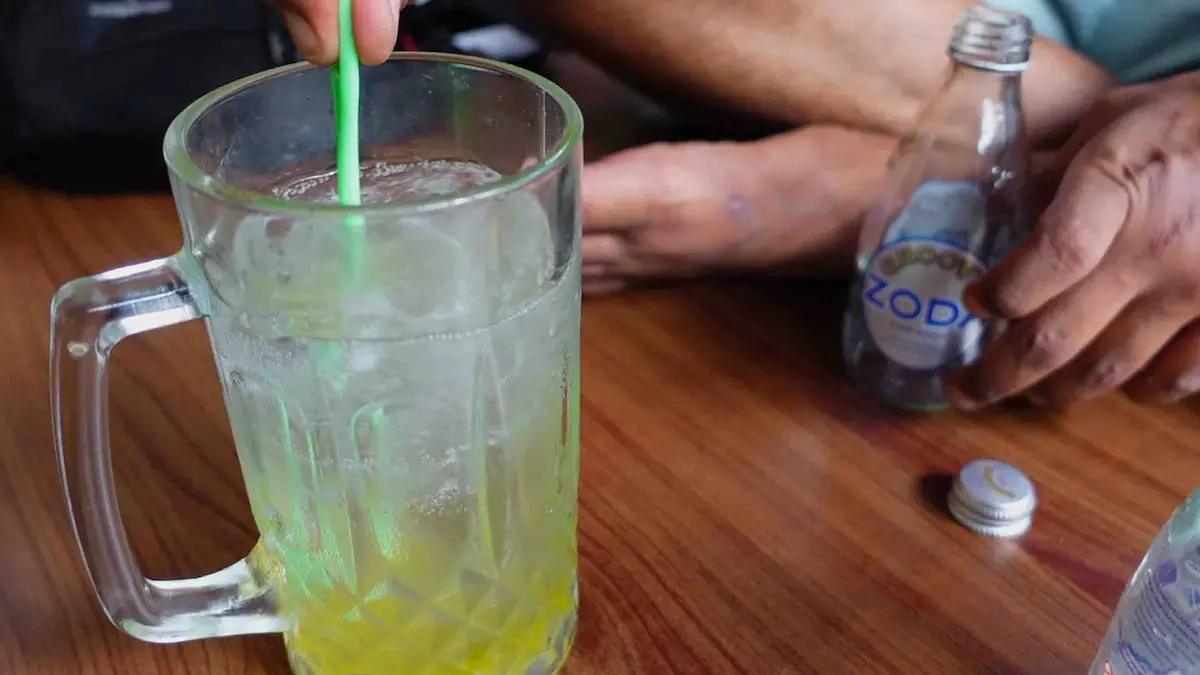
Es Teh and the Tea Family
Es teh manis — black tea, brewed strong, sweetened generously, served over a landslide of ice — is less a recipe than an institution. Its virtues are functional: the tannin cuts the fat of fried and coconut-rich dishes, the sugar replaces what the heat takes, the caffeine is gentle, and the price makes it the one luxury every warung can afford to nearly give away. Around it orbits a tea family worth knowing. Teh tarik’s Indonesian cousins appear in West Sumatra’s teh talua, where the tea is frothed with egg yolk into a rich, cappuccino-like foam — breakfast in a glass, and far better than it sounds to the uninitiated. Teh jahe and wedang jahe bring ginger’s warmth for rainy evenings and sore throats. In Solo and Yogyakarta, teh kampul floats a slice of orange in strong tea, and the poci tea of Tegal is served in clay pots with rock sugar, sipped scalding in the morning. Jasmine tea (teh melati) perfumes the Central Javanese table. The pattern to notice: Indonesian tea is almost never served plain and bitter — it is sweetened, spiced, frothed or perfumed, treated as a base for building on rather than a finished product, which is exactly the philosophy the rest of this drinks culture follows.
Jamu: the Original Functional Drinks
Centuries before “functional beverage” was a marketing category, jamu was a pharmacy in a glass. The tradition — herbal tonics sold by travelling jamu gendong sellers carrying bottle-laden baskets, now also bottled, powdered and café-served — blends turmeric, ginger, galangal, tamarind and dozens of other roots and leaves into drinks prescribed by feel and folklore for everything from fatigue to fertility. The canon every visitor should try: beras kencur (rice and aromatic ginger — mild, milky, the beginner’s jamu, given to children and athletes), kunyit asam (turmeric and tamarind — sour, vivid orange, the famous one, drunk for skin and monthly discomfort), temulawak (Javanese turmeric, for appetite and liver), and the bitter pahitan for the brave, taken like medicine because it is. Modern science has validated pieces of the tradition — turmeric’s curcumin and ginger’s anti-inflammatory effects are real, if less magical than the claims — and missed the larger point: jamu is a daily habit of self-care woven into ordinary life, sold on street corners at prices everyone can pay. A glass from a morning jamu seller, drunk standing at the cart like a local, is one of the cheapest cultural experiences in Indonesia, and the bitter-sour-sweet progression of flavours is unlike anything in the Western drinks repertoire.
Coffee, Coconut and the Sweet Iced Classics
Indonesia grows coffee on Sumatra, Java, Sulawesi, Flores and Bali, and drinks it its own way. Kopi tubruk is the national method — finely ground coffee and sugar in the glass, boiling water poured over, grounds settling as you wait — strong, unfiltered, unhurried. Aceh’s kopi sanger adds condensed milk, frothed by pulling the coffee between vessels; the coffee shops of Medan and Banda Aceh run on it. The modern es kopi susu wave — iced coffee with milk and palm sugar (gula aren) — has become the urban generation’s default, a genuinely Indonesian reinvention now exported by café chains. Beyond caffeine, the tropical pantry provides: es kelapa muda (young coconut water and flesh over ice, the archipelago’s natural sports drink), es cendol/dawet (pandan rice-flour jellies in coconut milk and palm-sugar syrup — dessert and drink in one glass), es campur (the “mixed ice” free-for-all of jellies, fruits, syrup and milk), es teler (avocado, coconut and jackfruit under shaved ice and condensed milk), and bandrek and bajigur, the warm ginger-coconut drinks of West Java’s cool highlands. Our Indonesian street food guide covers what these drinks accompany; the pairing logic is heat management — coconut’s fat and palm sugar’s depth against chilli, ice against climate — refined over centuries of eating spicy food at the equator.
How to Drink Like You Live There
A few practical keys unlock the culture. Sweetness is adjustable and expected to be negotiated: order “kurang manis” (less sweet) without embarrassment — locals do — or “tawar” for unsweetened tea. Ice in reputable places is factory-made from boiled water (the cylindrical tubes with the hole are the safe signature); the crushed ice of uncertain origin at tiny stalls is the one standard caution for new stomachs. Drink jamu in the morning from a seller with a queue, coffee in the afternoon warung culture that treats the coffee shop as a third place, and es cendol when the day is hottest and the meal was spiciest. Notice the social grammar: drinks arrive for the table, refills are hospitality, and the person who pays for the es teh pays for everyone’s. Above all, treat the drinks menu as a second cuisine rather than an afterthought. A traveller can eat rendang in a dozen countries now; but teh talua at a Padang breakfast, jamu at dawn from a gendong seller, kopi sanger pulled in an Acehnese coffee house and es teler under a Jakarta afternoon — those exist only here, at these prices, in this heat. The glass beside the plate is half the meal. Drink accordingly.
The Bottom Line
Indonesian drinks: start with es teh, then go deeper — jamu tonics for the tradition, kopi tubruk and es kopi susu gula aren for the coffee culture, and the coconut-and-palm-sugar iced classics for the heat. Sweet, spiced, herbal and cold, they complete Indonesian food the way they were designed to: one glass at a time.