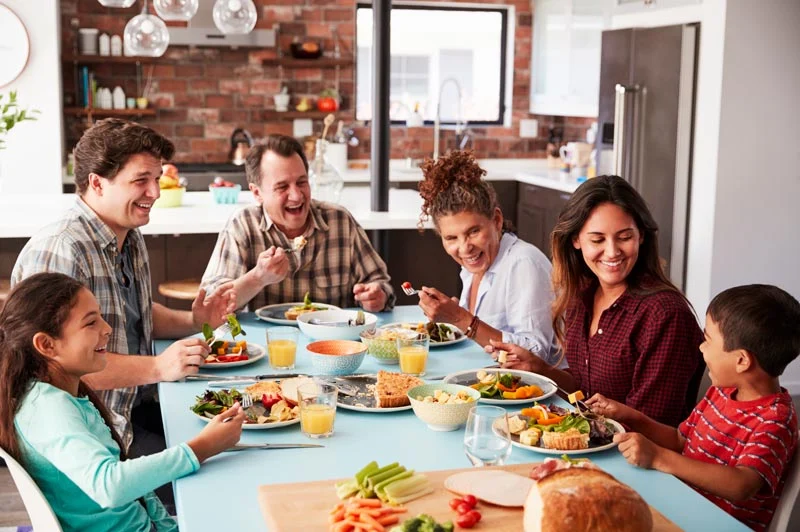

A shared meal does more than satisfy hunger. It brings people into the same space, gives them a common rhythm, and creates time for conversation that may not happen elsewhere.
Traditional dining strengthens this effect because it often includes familiar dishes, repeated customs, and shared roles. One person prepares the rice. Another serves the main dish. Others arrange plates, pour drinks, or welcome guests. Each small action helps turn eating into a social event.
These routines matter because people build trust through repeated contact. Sitting together, passing food, and talking without hurry create a sense of belonging. The meal becomes a simple structure that helps relationships grow.
Food also carries memory. A recipe can remind someone of family, festivals, or a specific place. When people eat that food together, they do more than share ingredients. They share part of a history.
This is why traditional meals remain important even as daily life changes. They connect people through taste, routine, memory, and presence.
Shared Traditions Turn Meals Into Social Rituals
Preparing Food Together Builds Cooperation
A traditional meal often begins long before anyone sits at the table.
Family members divide tasks naturally. Someone washes vegetables. Another prepares spices. Others cook, arrange dishes, or set the table. Working together creates conversation and shared responsibility before the meal even begins.
These small actions strengthen cooperation through repeated experience.
Familiar Rituals Create A Sense Of Belonging
People often remember the rituals surrounding a meal as clearly as the food itself.
The order in which dishes are served, the stories told at the table, or the way guests are welcomed all reinforce a shared identity. These customs help each generation understand its connection to those who came before.
Readers interested in another example of a digital experience built around structured interaction and regularly updated content can explore desi live casino login to see how consistent routines encourage engagement in a different setting.
Repeated Gatherings Strengthen Communities
One shared meal creates a pleasant memory.
Many shared meals create lasting relationships. Regular gatherings provide opportunities to celebrate achievements, support one another during difficult times, and maintain connections that might otherwise weaken as daily responsibilities increase.
This explains why traditional dining remains important across cultures. The food certainly matters, but the repeated act of gathering around the same table is what gradually builds trust, strengthens communities, and preserves shared traditions.
Conversations Around The Table Preserve Culture
Stories Give Meals Lasting Meaning
Food brings people together, but conversation gives the gathering depth.
Family stories, local traditions, and personal experiences often pass from one generation to the next while people share a meal. Children learn about relatives they never met. Elders explain why certain dishes appear during holidays or celebrations. These conversations help preserve knowledge that rarely appears in books.
The table becomes a place where culture is spoken as well as served.
Shared Experiences Build Stronger Relationships
A meal creates a natural setting for genuine interaction.
Without the pressure of formal meetings or scheduled events, people exchange ideas, solve disagreements, celebrate achievements, and offer support. These ordinary conversations strengthen relationships because they happen regularly and without unnecessary formality.
Trust often grows through repeated everyday moments rather than extraordinary occasions.
Community Is Built One Meal At A Time
Strong communities rarely develop through large events alone.
They grow through frequent opportunities for people to meet, listen, and spend time together. Traditional dining creates those opportunities by encouraging regular gatherings where everyone contributes, participates, and feels included.
This explains why shared meals continue playing an important role in societies around the world. Beyond the recipes and ingredients, they provide a reliable space where traditions are preserved, relationships deepen, and communities become stronger through simple, repeated acts of eating and talking together.
Shared Meals Create Connections That Last Beyond The Table
Traditional dining continues to play an important role because it brings together more than food. It creates a setting where people share time, exchange ideas, and strengthen relationships through regular interaction. Every meal becomes an opportunity to reinforce trust, preserve traditions, and create new memories.
The psychology behind this process is straightforward. People develop stronger social bonds through repeated positive experiences. Sitting together, preparing food, listening to stories, and participating in familiar routines all contribute to a sense of belonging. These moments may appear ordinary, yet their cumulative effect is remarkably powerful.
Shared meals also help preserve cultural identity. Recipes pass from one generation to the next alongside family histories, local customs, and personal experiences. A traditional dish often represents more than its ingredients. It carries memories, values, and stories that continue shaping communities long after the meal has ended.
Modern lifestyles have changed where and how people eat, but they have not changed the value of gathering around a table. Whether the occasion is a family dinner, a community celebration, or a holiday feast, the act of sharing food continues to encourage conversation, cooperation, and mutual understanding.
In the end, the lasting importance of traditional dining lies not only in the meals themselves but in the relationships they help create. Through simple, repeated gatherings, people strengthen trust, preserve culture, and build communities that remain connected across generations. Food may bring everyone to the table, but shared experiences are what keep those connections alive.